
Global tourism undeniably operates as a massive, powerful economic engine, directly driving exponential financial growth, building critical infrastructure, and actively creating millions of essential jobs in countless diverse destinations worldwide. However, it is critically important to fully recognize that absolutely not all modern tourism is created entirely equal. While massive, unchecked mass tourism can severely exploit and drastically damage vulnerable local areas, responsible tourism—which fiercely prioritizes strict ethical business practices, deep cultural respect, and long-term environmental sustainability—has successfully emerged as the absolute key, foundational strategy for effectively ensuring that the massive financial and social benefits of global travel actually extend directly to the local host communities. This in-depth, comprehensive blog post deeply explores exactly how practicing true responsible tourism can overwhelmingly and positively impact struggling local economies, preserve fragile, ancient cultures, and actively protect sensitive natural environments from irreversible destruction.
What is Responsible Tourism?
Understanding Responsible Tourism
At its absolute core, responsible tourism explicitly refers to highly intentional, mindful travel practices that deeply, actively respect the complex local cultures, fragile regional economies, and the vulnerable natural environment of the specific host destination. It fundamentally involves making highly conscious, deeply deliberate daily decisions to actively minimize any potential negative physical or social impacts while simultaneously striving to massively maximize positive, lasting outcomes for the specific destinations and the actual people who physically live there. This crucial commitment can heavily include actively choosing to exclusively stay in locally-owned, independent accommodations rather than massive foreign resort chains, intentionally financially supporting small local businesses, and rigorously respecting the deeply ingrained cultural norms and social traditions of the host population.
Principles of Responsible Tourism
- Sustainability: Actively ensuring that all daily tourism activities absolutely do not aggressively deplete precious local natural resources, such as fresh drinking water, or permanently harm the fragile local environment through excess waste and pollution.
- Community Involvement: Fiercely engaging the actual, resident local communities in high-level regional tourism planning, local infrastructure development, and critical economic decision-making processes to ensure their voices are heard.
- Economic Benefits: Strictly ensuring that the massive, generated tourism revenue is fairly, equitably distributed directly throughout the region to drastically improve the overall, daily quality of life for long-term local residents.
- Cultural Respect: Actively, intentionally preserving and deeply respecting all local, indigenous traditions, sacred historical sites, and complex, historical cultures from the corrosive effects of aggressive modernization.
Economic Benefits of Responsible Tourism
Job Creation and Income Generation
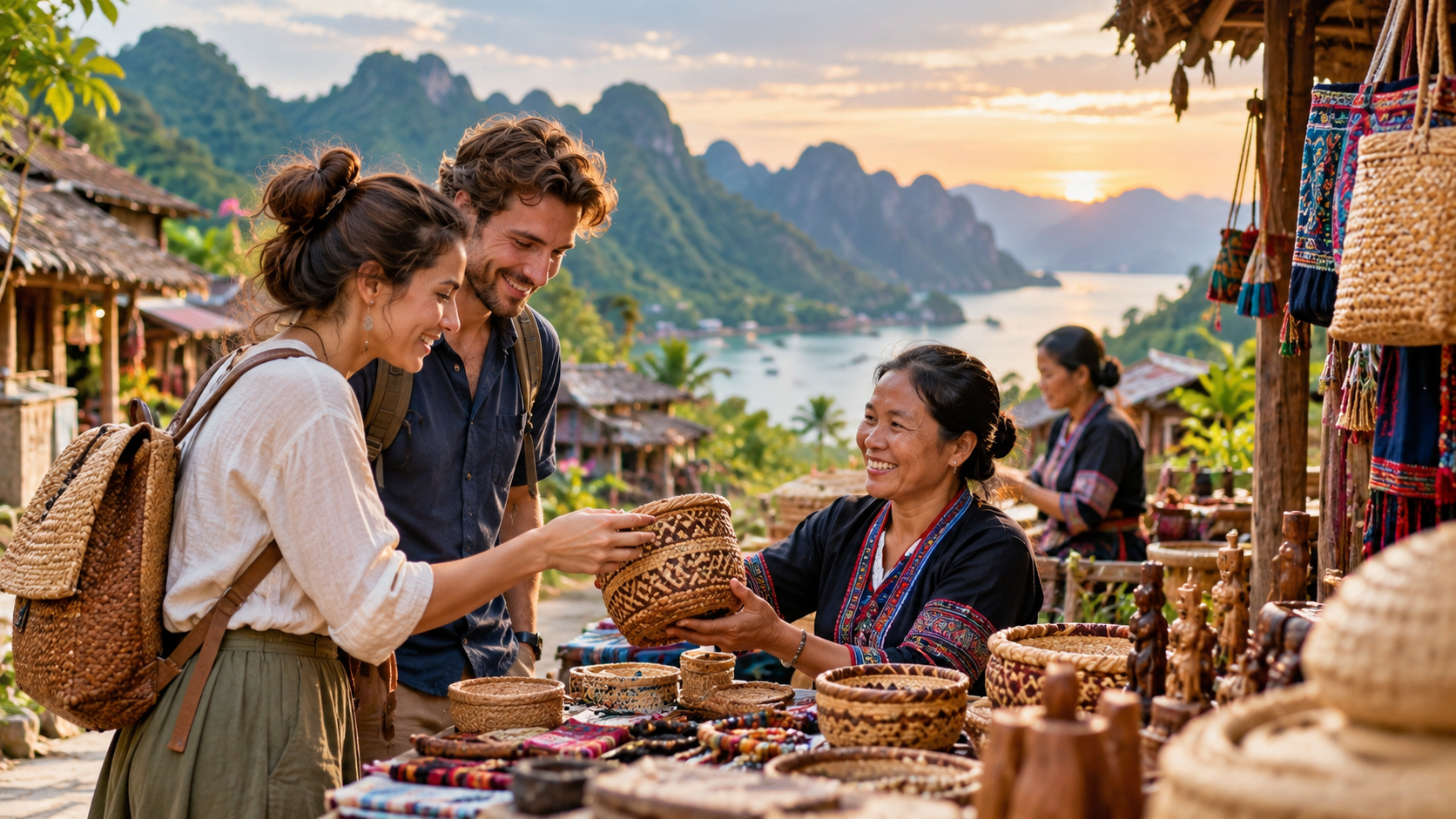
True, ethical responsible tourism can absolutely serve as a massive, highly reliable source of fair, dignified employment for marginalized or geographically isolated local communities. By intentionally choosing to spend your travel budget staying at completely locally-owned boutique hotels, eating daily meals in small, family-run neighborhood restaurants, and directly buying authentic, handmade souvenirs from local street artisans, tourists can contribute massively and directly to the grassroots local economy. This direct, unfiltered financial injection helps create stable, long-term jobs and provides a highly reliable, steady income for entire extended families, leading directly to vastly improved living standards, better access to local education, and stronger, more resilient local communities.
Supporting Small Businesses
Independent, family-owned small businesses are undoubtedly the vital, beating backbone of healthy, thriving local economies all around the world. Responsible, highly conscious tourists very often intentionally seek out deeply unique, locally-produced artisanal goods and highly personalized local services, effectively providing absolutely essential, critical financial support to these small, vulnerable enterprises. This intentional financial support not only actively helps accurately preserve deeply traditional, historical crafts and ancient agricultural practices that might otherwise be completely lost to cheap mass production, but it also actively fosters intense local entrepreneurship, pride, and constant innovation within the host community.
Cultural Benefits of Responsible Tourism
Preservation of Cultural Heritage
Ethical tourism can and absolutely should play a massively crucial, highly protective role in the active preservation of fragile global cultural heritage. When visiting travelers actively show genuine, deep interest in learning about complex local customs, engaging with ancient traditions, and visiting sacred historical heritage sites, it immediately creates a massive, powerful financial and social incentive for local communities and regional governments to actively maintain, fund, and fiercely protect these irreplaceable assets. Responsible tourism actively encourages highly respectful, mutually beneficial, and deeply meaningful social exchanges between curious tourists and proud locals, significantly enriching both parties and validating the importance of the local culture on a global stage.
Promoting Cultural Exchange
Responsible tourism fundamentally fosters deep, authentic cultural exchange by heavily encouraging visiting travelers to actively, respectfully engage directly with local communities on a personal, human level rather than viewing them simply as background scenery. This genuine, face-to-face interaction can frequently lead to a much greater, more nuanced understanding and a deep, mutual appreciation of vastly different global cultures, actively breaking down harmful historical stereotypes and heavily promoting a sense of genuine global harmony and peace. Tourists gain incredibly authentic, life-altering travel experiences, while the proud locals have the valuable opportunity to directly share their deep heritage and personal stories with the wider world on their own terms.

Environmental Benefits of Responsible Tourism
Conservation Efforts
Many of the most successful, highly praised responsible tourism initiatives operating today are incredibly closely linked directly to massive, ongoing environmental conservation. Certified eco-friendly accommodations, ethical wildlife sanctuaries that strictly forbid animal exploitation, and highly sustainable, low-impact tour operators actively, financially help protect highly vulnerable natural habitats and severely endangered wildlife species from poaching and habitat loss. By consciously, deliberately choosing exclusively responsible tourism options, everyday travelers can directly, financially contribute to these critical, life-saving conservation efforts, helping ensure that precious natural resources and breathtaking landscapes are actively preserved for all future generations to witness and enjoy.
Reducing Carbon Footprint
Strict responsible tourism practices very often heavily include specific, actionable measures designed to drastically reduce harmful travel-related carbon emissions. This vital effort can directly involve explicitly using clean, renewable solar or wind energy sources to power eco-lodges, actively promoting the daily use of low-emission public transportation or electric trains over domestic flights, and heavily encouraging highly physical, low-impact daily activities such as mountain hiking, river kayaking, or city cycling. By globally adopting these highly sustainable, low-emission practices, the massive travel and tourism industry can actively, significantly play a major, leading role in aggressively mitigating the disastrous global effects of rapid climate change.
Challenges and Solutions
Challenges in Implementing Responsible Tourism
Despite its massive, widely recognized global benefits, actively implementing true responsible tourism still faces several massive, systemic challenges. These significant hurdles heavily include a widespread, persistent lack of genuine awareness and education among everyday travelers, severely limited, outdated green infrastructure in many developing, remote destinations, and the frequent, highly volatile political conflicts between massive corporate tourism development and the actual, vital interests of the vulnerable local community. Additionally, strictly ensuring that the massive financial benefits of tourism are actually distributed fairly and equitably among the poorest residents, rather than simply enriching a few wealthy elites, can be incredibly challenging.
Solutions for Promoting Responsible Tourism
- Education and Awareness: Actively, continuously educating prospective travelers about the massive, critical importance of practicing responsible tourism can significantly, rapidly increase the global consumer demand for strictly ethical, highly sustainable travel options, forcing the industry to adapt.
- Community Involvement: Strictly engaging and directly consulting the actual local communities in all regional tourism planning and major commercial development ensures that their vital daily needs, historical rights, and unique perspectives are heavily considered and fiercely protected.
- Policy Support: Regional and national governments can play an absolutely crucial, decisive role by rapidly enacting strict, enforceable legal policies that heavily promote sustainable tourism practices, heavily tax polluters, and fiercely protect vulnerable local interests from foreign corporate exploitation.
Conclusion
Ultimately, fully embracing responsible tourism offers a clear, highly effective, and deeply ethical pathway to genuine sustainable global development, massively benefiting vulnerable local communities, enriching curious travelers, and actively protecting the fragile natural environment all at the exact same time. By consciously making highly mindful, deliberate, and thoroughly researched travel choices, everyday travelers can directly, financially contribute to explosive local economic growth, critical cultural preservation, and massive, necessary environmental conservation. The entire, long-term future of the massive global tourism industry ultimately lies heavily in our collective, unified ability to aggressively travel responsibly and fiercely, unconditionally support the incredible local communities that actively make our global journeys so profoundly memorable and deeply rewarding.
FAQs
1. What is the difference between responsible tourism and sustainable tourism?
Responsible tourism focuses very heavily on the immediate, ethical social and economic impact of tourism specifically on the actual local communities and regional environments, ensuring positive, immediate outcomes. Sustainable tourism generally emphasizes a broader, long-term ecological and environmental balance, actively aiming to successfully meet the complex needs of present tourists without permanently compromising the ability of future generations to travel.
2. How can tourists support local communities?
Tourists can actively, financially support local communities by intentionally choosing to stay in fully locally-owned, independent accommodations, eating daily at authentic local restaurants, exclusively purchasing handmade local products directly from the maker, actively participating in ethical, community-led tours, and always deeply respecting unique local cultural practices and religious traditions.
3. What are some examples of responsible tourism practices?
Excellent examples heavily include strictly choosing certified eco-friendly green accommodations, aggressively minimizing daily personal plastic waste, actively participating in and funding ethical wildlife conservation programs, exclusively using low-emission public transportation, and deeply, respectfully engaging with local communities on a highly personal, equal level.
4. Why is responsible tourism important?
Responsible tourism is absolutely critically important because it strictly ensures that the massive financial benefits of global tourism are shared fairly and equitably, actively helps to physically preserve ancient cultural and natural heritage sites, provides vital financial support to struggling local economies, and heavily promotes deeply sustainable, long-term global development.
5. How can I find responsible tourism options?
You can effectively find genuine responsible tourism options by extensively researching independent tour operators and boutique accommodations that publicly post their sustainable practices, actively looking for globally recognized eco-certifications like the Global Sustainable Tourism Council (GSTC), and thoroughly reading unfiltered online reviews from other dedicated, highly responsible travelers.