
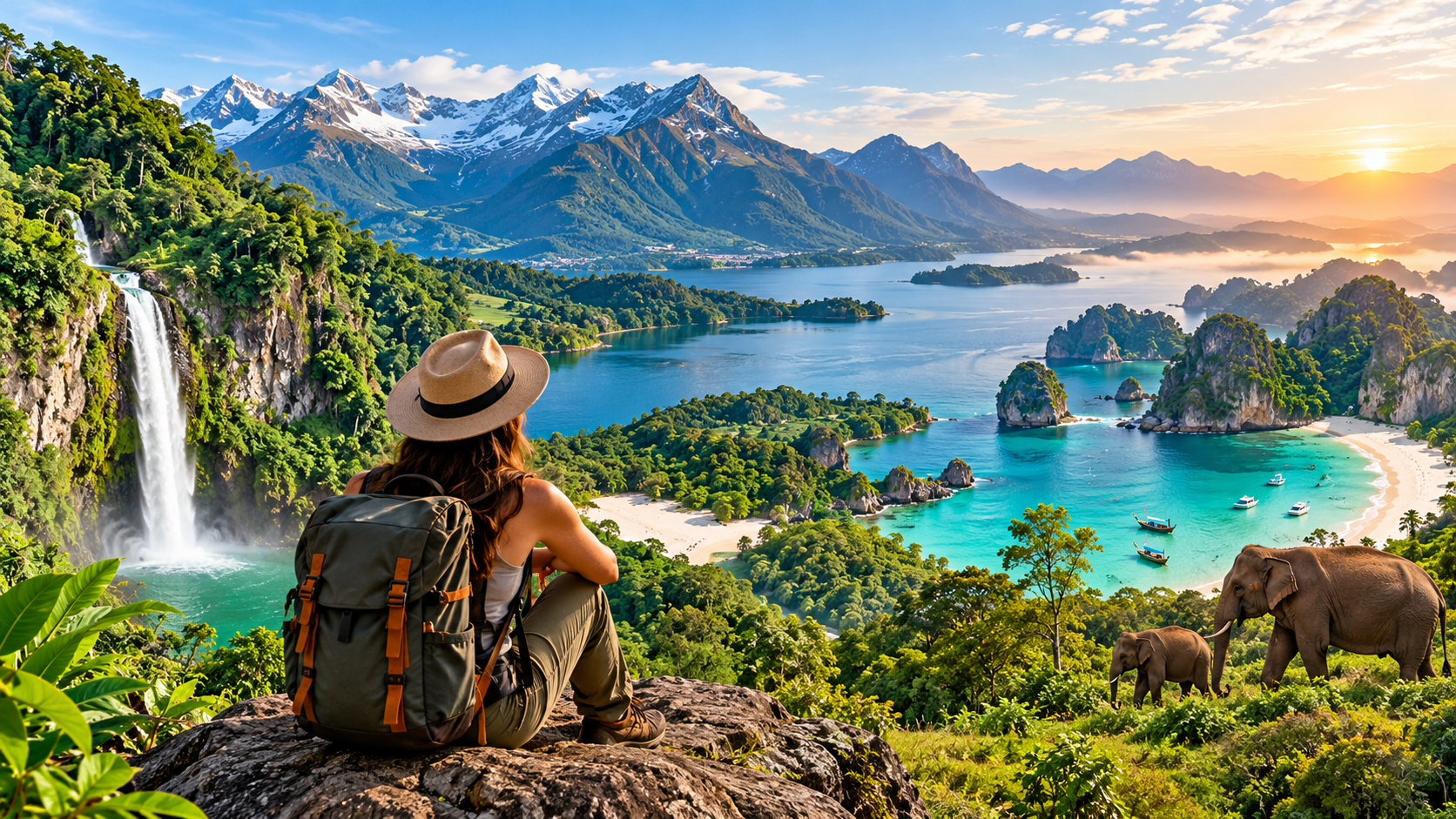
In 2026, ecotourism has evolved into far more than just a fleeting travel trend; it has become a fundamental, responsible approach to exploring our incredible world. As global awareness of environmental fragility grows, more travelers are actively seeking out ways to minimize their carbon footprint and leave a positive impact on the places they visit. By intentionally choosing ecotourism, modern adventurers can still immerse themselves in breathtaking natural beauty and diverse cultures, while simultaneously supporting critical conservation efforts and empowering local communities. This sustainable approach ensures that the pristine environments we marvel at today will be preserved for future generations to cherish. If you are eager to travel with purpose and wonder, here are the top 10 spectacular ecotourism destinations you need to add to your bucket list for 2026 and beyond.
1. Costa Rica
Overview
Often heralded as the ultimate global pioneer in the realm of ecotourism, Costa Rica continues to set the gold standard for sustainable travel in 2026. This vibrant Central American nation famously abolished its army decades ago, choosing instead to invest heavily in education and environmental conservation. As a result, it boasts an incredibly rich, densely concentrated biodiversity and a vast, meticulously managed network of stunning national parks and protected biological reserves. Travelers flock here to experience the literal intersection of lush rainforests, active volcanoes, and pristine coastlines.
Highlights
- Corcovado National Park: Frequently described by biologists as one of the most biologically intense places on Earth, this rugged park is home to a staggering variety of wildlife, including elusive jaguars, brilliantly colored scarlet macaws, and the endangered Baird’s tapir.
- Monteverde Cloud Forest: World-famous for its near-constant, mystical cloud cover and astoundingly diverse plant species, this high-altitude reserve offers suspended canopy walkways that allow visitors to explore the rich ecosystem right at the treetops.
2. Galápagos Islands, Ecuador

Overview
The legendary Galápagos Islands remain one of the most sought-after, highly protected UNESCO World Heritage sites on the planet. Renowned globally for their incredibly unique, highly specialized wildlife and spectacularly pristine marine environments, this isolated archipelago inspired Charles Darwin’s theory of evolution. Strict tourism regulations ensure that human impact remains minimal, making a visit here a true privilege for any dedicated eco-traveler.
Highlights
- Charles Darwin Research Station: Located on Santa Cruz Island, this active scientific hub is an absolute must-visit for travelers seeking to deeply understand the islands’ immense ecological significance and ongoing giant tortoise breeding programs.
- Isabela Island: As the largest island in the archipelago, Isabela offers unparalleled opportunities to observe fascinating endemic species such as marine iguanas baking on black lava rocks, the endemic Galápagos penguins, and the iconic blue-footed boobies performing their charming mating dances.
3. Norway
Overview
Norway consistently ranks at the very top of global sustainability indexes, and its deep-rooted cultural commitment to environmental stewardship makes it a premier ecotourism destination in Europe. Beyond its green energy policies, Norway’s stunning natural landscapes—characterized by steep, dramatic mountains and deep, serene waters—are rigorously protected. The country promotes “friluftsliv,” the cultural philosophy of connecting deeply with nature.
Highlights
- Fjord Norway: This breathtakingly dramatic region is internationally renowned for its sheer-sided, glacier-carved fjords, massive cascading waterfalls, and world-class, sustainably managed hiking trails like the famous Pulpit Rock.
- Svalbard: This remote, icy Arctic archipelago is a critically important, highly protected wilderness area, making it an ideal, awe-inspiring destination for responsibly viewing polar bears in their natural habitat and witnessing the ethereal glow of the Northern Lights.
4. Kenya
Overview
Kenya is practically synonymous with the classic concept of the wildlife safari, but in recent years, it has heavily pivoted toward community-led conservation and highly sustainable ecotourism models. By directly involving local indigenous communities in the economic benefits of tourism, Kenya has created a powerful incentive to protect its vast savannahs and incredible wildlife populations against poaching and habitat loss.
Highlights
- Maasai Mara National Reserve: World-famous for hosting the awe-inspiring Great Migration, this vast reserve is a critical habitat for millions of wildebeest and zebra, alongside abundant predator wildlife, all managed with increasingly strict eco-friendly protocols.
- Nairobi National Park: Offering an entirely unique, slightly surreal safari experience, this incredible protected reserve allows visitors to view wild lions and giraffes with the modern city skyline looming dramatically in the immediate background.
5. Iceland
Overview
Iceland’s fiercely protected, largely unspoiled landscapes and its near-total reliance on clean, renewable geothermal energy make it a true standout among ecotourism destinations. The “Land of Fire and Ice” is deeply committed to preserving its fragile sub-Arctic ecosystems while allowing responsible visitors to marvel at its erupting geysers, massive glaciers, and stunning black sand beaches.
Highlights
- Thingvellir National Park: This incredible site holds immense historical, cultural, and geological significance. It is the only place in the world where you can visibly see and physically dive between the diverging North American and Eurasian tectonic plates.
- Vatnajökull National Park: Dominating the southeastern part of the country, this park features Europe’s largest glacier and encompasses numerous raw, powerful volcanic features and dramatic ice caves.
6. Borneo, Malaysia
Overview
The massive island of Borneo, shared largely with Malaysia, is globally recognized for its incredibly ancient, lush rainforests and an astoundingly diverse array of unique wildlife. The Malaysian states of Sabah and Sarawak are at the forefront of vital conservation efforts, particularly in protecting vital habitats for critically endangered endemic species against the historical threats of deforestation.
Highlights
- Kinabatangan River: The second-longest river in Malaysia offers highly sustainable, quiet river cruises that provide visitors with incredible chances to see rare wildlife like the Borneo pygmy elephants, saltwater crocodiles, and the bizarre-looking proboscis monkeys.
- Danum Valley: A meticulously protected conservation area featuring pristine, 130-million-year-old primary rainforest. It is an absolute paradise for dedicated bird watchers and researchers studying intact tropical ecosystems.
7. Palau
Overview
The small island nation of Palau, situated in the western Pacific Ocean, is a true global leader in marine conservation. In an effort to protect its fragile coral reefs, Palau pioneered the “Palau Pledge,” a mandatory eco-pledge stamped into visitors’ passports. It is an absolute paradise for responsible marine life enthusiasts, offering some of the most spectacular and carefully managed diving spots in the world.
Highlights
- Rock Islands Southern Lagoon: A mesmerizing UNESCO World Heritage site consisting of hundreds of mushroom-shaped limestone islands, sheltering an area of stunning marine biodiversity, vibrant coral gardens, and historic shipwrecks.
- Jellyfish Lake: A truly unique, isolated marine lake where visitors are permitted to snorkel gently among millions of harmless, stingless golden jellyfish in a carefully regulated environment.
8. Bhutan
Overview
The Himalayan kingdom of Bhutan’s revolutionary approach to tourism is strictly defined by its famous “high value, low impact” policy. By heavily regulating visitor numbers and requiring a daily sustainable development fee, Bhutan focuses intensely on preserving its deeply spiritual culture, traditional way of life, and its pristine, carbon-negative mountainous environment.
Highlights
- Paro Taktsang (Tiger’s Nest Monastery): A breathtaking, culturally vital cliffside monastery perched precariously on a sheer rock face. The challenging hike up ensures that only dedicated, respectful travelers reach this sacred site.
- Phobjikha Valley: Widely known for its stunning, expansive scenic beauty, this glacial valley also serves as a critical, highly protected wintering ground for the vulnerable and deeply revered black-necked cranes.
9. New Zealand
Overview
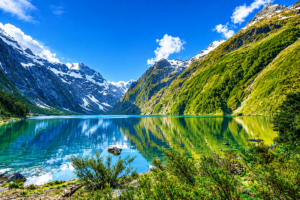
New Zealand is a widely recognized global leader in sustainable tourism, continually striving to balance its booming outdoor adventure industry with rigorous environmental protection. The country offers an incredibly diverse range of dramatic landscapes, shifting rapidly from beautiful, sweeping beaches and lush native forests to towering, snow-capped alpine mountains.
Highlights
- Fiordland National Park: Located on the South Island, this park is famous for its awe-inspiring, deep fjords, most notably the majestic Milford Sound, which is best explored via quiet, low-emission cruises or guided sea kayaking.
- Tongariro National Park: New Zealand’s oldest national park offers stark, beautiful volcanic landscapes and holds deep spiritual and cultural significance for the indigenous Māori people.
10. Namibia
Overview
Namibia is one of the few countries in the world to specifically address habitat conservation directly within its national constitution. This progressive approach, combined with its vast, hauntingly beautiful deserts and incredibly strong commitment to anti-poaching and wildlife conservation, makes it a wholly unique, deeply rewarding ecotourism destination in Southern Africa.
Highlights
- Etosha National Park: Internationally known for its massive, shimmering white salt pan, this park supports abundant, highly visible wildlife that gathers around carefully managed watering holes during the dry season.
- Namib Desert: Widely considered the oldest desert in the world, it is home to towering, deeply red sand dunes at Sossusvlei and fascinating, highly unique desert-adapted species like the oryx and the Welwitschia plant.
Final Words
As we navigate travel in 2026, ecotourism allows you to explore some of the most spectacularly beautiful and remote places on Earth while actively supporting vital environmental conservation and providing economic uplift to local communities. The top 10 destinations highlighted above offer entirely unique, life-changing experiences and provide profound opportunities to connect with the natural world in a thoughtful, sustainable, and responsible way. By choosing your destinations and tour operators wisely, your travel footprint can become a force for global good.
FAQs
1. What is ecotourism?
Ecotourism is a form of highly responsible travel directed toward relatively undisturbed natural areas. Its primary goals are to conserve the environment, sustain and improve the social and economic well-being of local, indigenous people, and involve deep interpretation and education for both the traveler and the host community.
2. Why is Costa Rica famous for ecotourism?
Costa Rica is globally famous for ecotourism because it protects over a quarter of its total landmass within extensive national parks and reserves. It boasts incredibly rich tropical biodiversity and demonstrates a long-standing, governmental commitment to environmental conservation, renewable energy, and sustainable hospitality practices.
3. What makes the Galápagos Islands unique?
The Galápagos Islands are exceptionally unique due to their extreme geographic isolation in the Pacific Ocean. This isolation has led to the evolutionary development of many distinct animal and plant species found absolutely nowhere else on Earth, making the archipelago a fragile, living museum of biodiversity.
4. How does Iceland promote sustainable tourism?
Iceland aggressively promotes sustainable tourism through its near-exclusive use of clean, renewable geothermal and hydroelectric energy. The country places strict protections on the preservation of its delicate natural landscapes and actively encourages highly eco-friendly travel practices and respect for nature among all incoming visitors.
5. What are the benefits of ecotourism?
The multi-faceted benefits of ecotourism include generating vital funding for conservation efforts, promoting sustainable, long-term community development, educating global travelers about pressing environmental issues, and ensuring that local economies benefit directly from preserving their natural resources rather than exploiting them.