
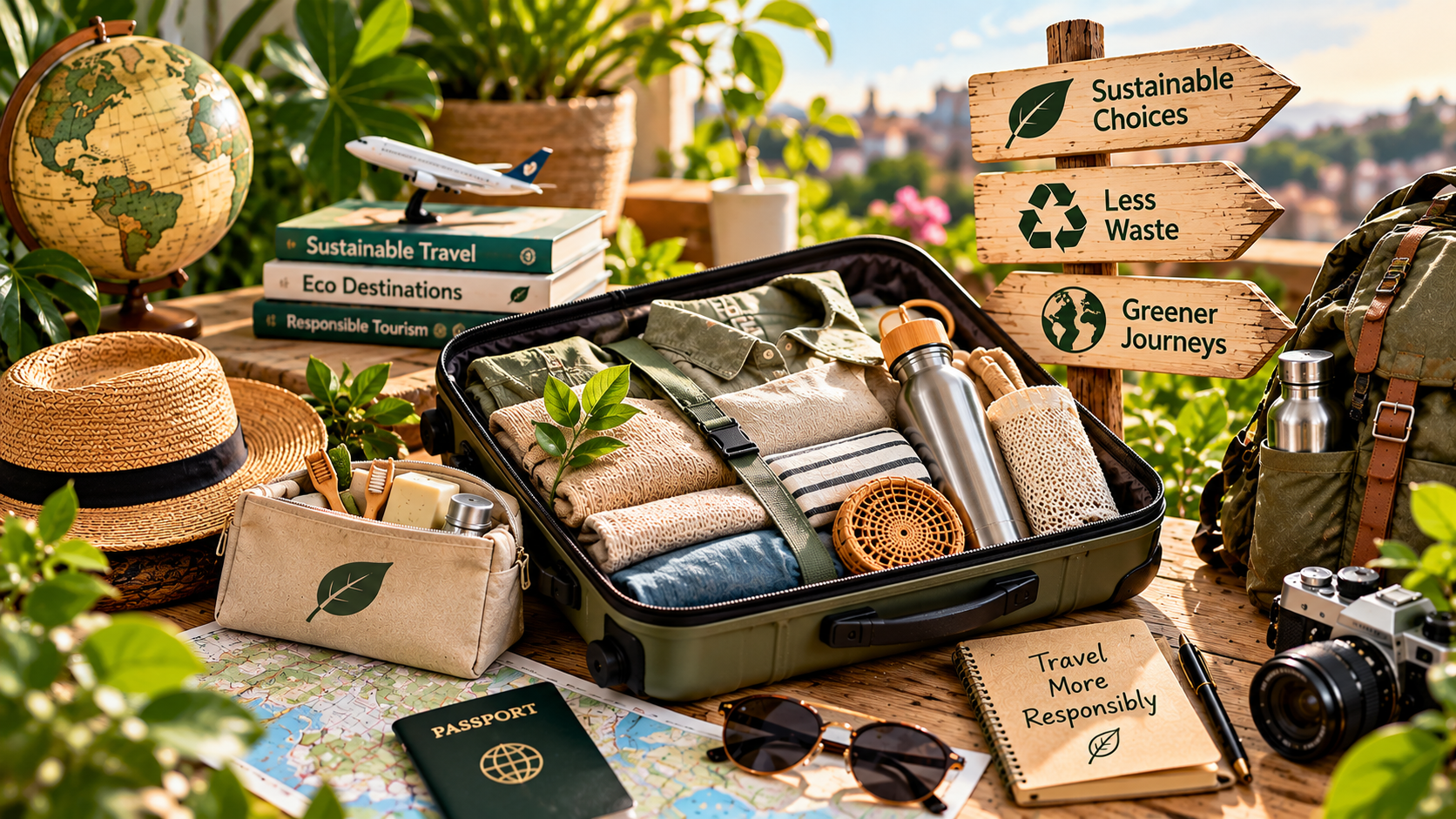
In the modern era of global exploration, the vital concept of eco-travel has successfully evolved into something vastly more profound than just a passing social media trend; it has become an absolute, non-negotiable commitment to actively preserving our fragile environment and vigorously supporting highly sustainable practices while joyfully exploring the far corners of the world. However, being a genuinely responsible, ethical tourist does not simply begin the moment you physically arrive at your exotic destination. It fundamentally starts in your bedroom, days or weeks in advance, with exactly how you choose to pack your suitcase. This comprehensive, detailed guide will actively help you make highly conscious, eco-friendly choices, significantly reduce your personal carbon footprint, and ensure that your upcoming journey leaves only a positive, lasting impact on the incredible places you visit.
Why Eco-Friendly Packing Matters
Before enthusiastically diving into the specific, actionable logistics of building your perfect sustainable travel wardrobe, it is critically important to fully understand exactly why eco-friendly packing is so absolutely crucial for the modern traveler. Every single travel decision you make, from the specific materials used to manufacture the items you pack to the precise way you ultimately dispose of waste on the road, directly impacts the global environment in measurable ways. By intentionally choosing highly sustainable practices and actively rejecting the wasteful convenience culture of the past, you can directly help aggressively protect dwindling natural resources, drastically reduce global landfill waste, and financially support marginalized local communities that rely entirely on pristine ecosystems for their survival.
Sustainable Packing Tips
Choose Eco-Friendly Luggage
When initially selecting your primary travel bag, always actively opt for highly sustainable, durable luggage that is ethically manufactured from recycled plastics or renewable, natural materials. Instead of buying cheap, disposable suitcases that will quickly break and end up in a landfill, seek out reputable, environmentally conscious brands like Patagonia, Samsonite Eco-Nu, and EcoGear. These forward-thinking companies offer incredibly durable, stylish, and highly functional options that are vastly kinder to the planet, often utilizing materials like recycled ocean plastics or heavy-duty organic canvas.
Pack Light
The concept of packing light is an absolute, foundational fundamental principle of all authentic eco-travel. The heavier your bulky luggage is, the significantly more aviation fuel the airplane requires to take off and fly, directly and aggressively increasing harmful carbon emissions in the upper atmosphere. Always aim to ruthlessly pack only exactly what you truly need for the duration of the trip, actively prioritizing highly versatile, multi-purpose items that can serve several different functions. A lighter bag not only helps the environment but also vastly improves your personal mobility and significantly reduces physical travel fatigue.
Use Reusable Containers
You must completely eliminate single-use plastics from your travel routine by permanently switching to durable, reusable containers for all your travel toiletries, daily snacks, and beverages. Intentionally invest your money in a high-quality, leak-proof set of food-grade silicone travel bottles, a rugged stainless steel insulated water bottle, and a set of washable beeswax wraps for safe, plastic-free food storage. Refilling these sturdy containers from larger, bulk sources drastically reduces the massive amount of plastic waste generated by tiny, disposable travel-sized products.
Choose Sustainable Clothing
When selecting your travel wardrobe, actively opt for high-quality clothing made entirely from certified organic cotton, renewable bamboo, or heavily recycled synthetic materials. Ethical apparel companies like Patagonia, Toad&Co, and Tentree consistently offer extensive, highly durable eco-friendly clothing lines explicitly designed for rigorous travel. Pack highly versatile, neutral-colored pieces that can be easily layered for changing weather and effortlessly worn in various different combinations to strictly minimize the total number of individual items you need to carry.
Eco-Friendly Toiletries
Make the permanent switch to 100% biodegradable toiletries and highly concentrated, solid versions of essential products like daily shampoo, deep conditioner, and body soap. These innovative solid toiletries very often come packaged in minimal, completely compostable cardboard or are entirely plastic-free. Furthermore, they are vastly more travel-friendly than traditional liquids, as they can never leak in your bag and completely bypass the stressful, restrictive liquid regulations at airport security checkpoints.
Minimize Electronic Use
While a few modern electronics are undeniably essential for safe navigation and communication, actively try to strictly limit the total number of individual devices you bring on your journey. Strongly consider utilizing highly multi-functional devices, such as a modern smartphone that can easily double as a high-resolution digital camera, a GPS navigator, and a digital e-reader. Also, do not forget to pack a small, efficient solar charger to actively reduce your heavy reliance on grid electricity, especially when traveling to remote, off-grid locations.
Bring Your Own Shopping Bag
A simple, highly foldable reusable cloth shopping bag is an absolute must-have staple for any dedicated eco-traveler. It easily packs down to the size of an apple and constantly comes in incredibly handy for spontaneous grocery shopping at local markets, carrying dirty laundry to the laundromat, or packing gear for quick beach trips, entirely reducing the daily need for flimsy, destructive single-use plastic bags offered by local vendors.
Reducing Waste on the Go
Avoid Single-Use Plastics
Single-use plastics remain one of the most severe, visible environmental issues currently destroying global travel destinations, particularly coastal regions. Actively avoid accepting items like flimsy plastic straws, disposable cutlery, and styrofoam cups by always carrying your own durable, reusable alternatives in your daypack. High-quality bamboo travel cutlery sets and sturdy metal drinking straws are incredibly lightweight, easy to quickly wash in a hotel sink, and take up virtually zero space in your luggage.
Dispose of Waste Responsibly
It is your ethical duty to always dispose of your personal waste properly, no matter how remote your location. Before arriving, thoroughly research the specific municipal recycling policies and local waste management practices of your chosen destination. Always carry a small, designated waste bag with you during daily excursions to ensure you can securely manage your own trash, wrappers, and organic waste until you successfully find a proper, designated disposal site back in the city.
Support Local and Sustainable Businesses
When souvenir shopping or dining out during your trip, make a highly conscious, deliberate effort to financially support independent, local businesses that visibly prioritize environmental sustainability. Actively look for farm-to-table restaurants that proudly use organic, locally sourced seasonal ingredients, and seek out independent artisan shops that sell authentic, handmade, or strictly eco-friendly regional products rather than cheap, imported plastic souvenirs.

Engaging in Responsible Tourism
Respect Local Cultures and Environments
Being a truly responsible, ethical tourist fundamentally means deeply respecting the complex cultures and fragile environments you are privileged to visit. Take the time to actively learn about important local customs, modest dress codes, and deep-rooted traditions long before you go, and absolutely always adhere to posted rules and official guidelines explicitly designed for protecting sensitive natural heritage sites from mass tourist erosion.
Reduce Carbon Footprint
Carefully consider your daily, on-the-ground travel methods. Whenever physically and safely possible, prioritize using local public transportation, renting a bicycle, or simply walking to explore a new city instead of lazily taking private taxis or renting personal, gas-guzzling cars. For covering longer, cross-country distances, intentionally choose efficient high-speed trains over domestic flights whenever feasible to massively minimize your personal travel carbon footprint.
Participate in Eco-Friendly Activities
Actively choose daily excursions and activities that have a strictly minimal, or net-positive, impact on the local environment. Deliberately look for certified eco-tours, ethical wildlife sanctuaries that strictly prohibit animal touching or riding, and active, community-led conservation projects. These immersive experiences very often provide incredibly valuable, firsthand education on fragile local ecosystems and directly fund ongoing, critical conservation efforts.
Final Words
Ultimately, successfully packing for eco-travel is entirely about consistently making highly mindful, intentional choices that directly benefit the global environment and actively support vulnerable local communities. By carefully selecting highly sustainable luggage, aggressively minimizing your daily waste generation, and fiercely supporting ethical, eco-friendly business practices, you can easily become a truly responsible tourist. Your conscious actions will directly help preserve the breathtaking, raw beauty of our shared planet for countless future generations to safely explore and deeply enjoy.
FAQs
What are the benefits of packing light for eco-travel?
Packing light drastically reduces the overall physical weight of your luggage, which directly and significantly decreases the massive amount of aviation fuel consumption and harmful carbon emissions generated during air transportation. Furthermore, it inherently makes your entire travel experience significantly more convenient, physically efficient, and much less stressful to navigate through busy transit hubs.
How can I find eco-friendly travel products?
Actively look for certified travel products explicitly manufactured from high-quality recycled, upcycled, or highly sustainable natural materials. Thoroughly research reputable outdoor brands that loudly prioritize environmental corporate responsibility and carefully read detailed consumer reviews to ensure the physical quality, durability, and actual effectiveness of their green products before purchasing.
What should I do with waste if there are no recycling facilities available?
Always carry a small, designated, reusable waste bag deeply tucked within your daypack to securely store your personal recyclables and trash until you can eventually dispose of them properly. Some remote destinations may actually have designated, centralized drop-off points for complex recycling or specific, municipal waste management facilities located back in the main towns.
How can I support local communities while traveling?
You can directly support local communities by intentionally prioritizing independent, locally owned businesses, actively buying authentic, locally made artisanal products, and intentionally choosing independent accommodations that explicitly employ and financially benefit local residents. Engaging with authentic, community-led cultural tours and activities also heavily helps support fragile local economies.
Are there any specific apps or resources to help with eco-travel planning?
Yes, numerous digital resources exist. Apps like HappyCow can quickly help you easily locate highly sustainable vegan and vegetarian dining options globally, while the Green Travel Guide offers detailed, vetted information on strictly eco-friendly accommodations and activities. Websites like Responsible Travel provide incredibly robust, in-depth resources for meticulously planning highly sustainable, ethical trips.