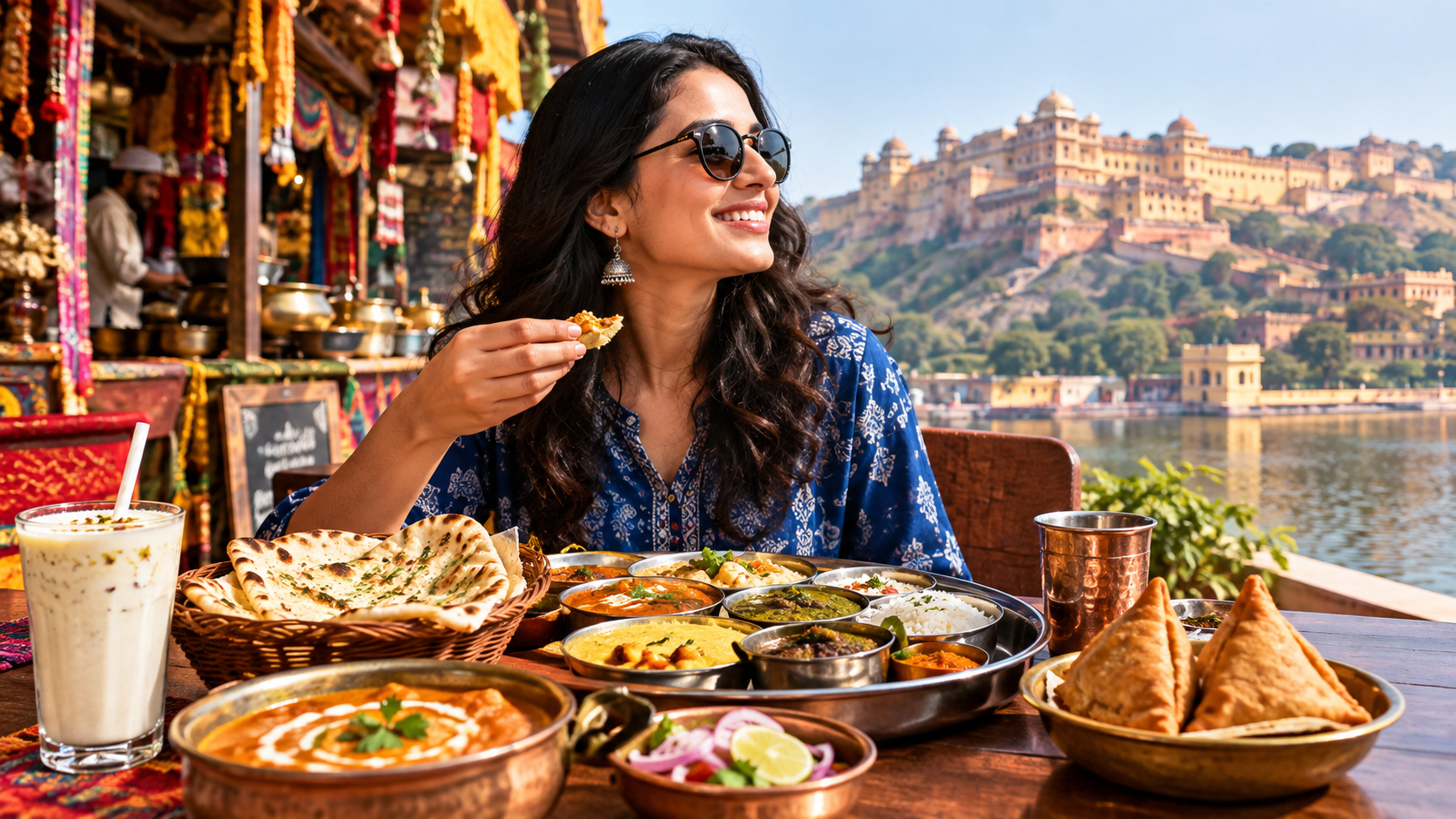
India, an ancient, sprawling land absolutely overflowing with incredibly vibrant, diverse cultures and deeply rooted, centuries-old traditions, is also universally celebrated as a massive, unparalleled treasure trove of mouth-watering culinary delights. Every single distinct region of this massive subcontinent proudly offers a highly unique, deeply complex blend of rich flavors, highly aromatic spices, and locally sourced ingredients that beautifully and deliciously tell the complex story of its unique history, diverse geography, and resilient people. Whether you are navigating the chaotic, bustling streets of a major metropolis or wandering through a quiet, rural farming village, the food is always front and center. Join us on an unforgettable, mouth-watering culinary journey to thoroughly explore the incredibly diverse tastes of India and discover the deep culinary magic hidden behind its most beloved, globally recognized traditional dishes.
The Spice Trail: The Heart of Indian Cuisine
The Role of Spices
Intensely flavorful, highly aromatic spices are undoubtedly the vibrant, beating soul of all traditional Indian cuisine. Ranging from the intense, fiery, sweat-inducing heat of bright red chili powder to the deeply comforting, aromatic, and earthy warmth of freshly ground cumin and coriander seeds, authentic Indian home cooking is an incredibly complex, masterfully balanced symphony of diverse flavors. These vital, ancient spices absolutely do not merely add incredible, deep taste to a dish; they also possess powerful, well-documented medicinal properties that have been utilized in Ayurvedic medicine for thousands of years. For instance, bright yellow turmeric is globally known for its highly potent anti-inflammatory and healing benefits, while pungent fenugreek seeds actively help soothe the stomach and aid with daily digestion.
Regional Spice Variations
India’s absolutely vast, highly diverse geography directly results in incredibly varied, distinctly unique spice profiles across its many different regions. Rich, heavy Northern Indian dishes very often heavily feature the liberal use of garam masala, which is a deeply warming, highly complex blend of finely ground, roasted spices like sweet cinnamon, pungent cloves, and fragrant cardamom pods. In stark, delicious contrast, vibrant Southern Indian cuisine is deeply characterized by the frequent, heavy use of popping black mustard seeds, highly fragrant, fresh curry leaves, and the subtle, creamy sweetness of freshly grated coastal coconut.
Regional Cuisines: A Diverse Palette
North Indian Cuisine
Traditional North Indian food is universally known globally for its incredibly rich, heavy, and deeply hearty dishes that frequently feature massive amounts of dairy. Dietary staples in this fertile region heavily include thick, wheat-based flatbreads like fluffy, butter-brushed naan and whole-wheat roti, proudly served alongside massive, steaming mounds of incredibly fragrant, long-grain basmati rice. Unforgettable, globally famous signature dishes from this specific region include creamy, tomato-based butter chicken, heavily spiced, yogurt-marinated tandoori chicken cooked in a blazing hot clay oven, and highly complex, aromatic meat biryani. Rich dairy products like fresh paneer (a firm, unaged cottage cheese) and generous dollops of golden ghee (nutty clarified butter) are also incredibly prevalent and heavily utilized in almost every single meal in this region.
South Indian Cuisine
Lush, tropical Southern India proudly boasts a massive, incredible variety of fermented, rice-based vegetarian dishes, most notably including the massive, crispy dosa, fluffy, steamed idli cakes, and deeply savory, lentil-based sambar stew. Because of the massive southern coastline, coconut is a highly vital, everyday key ingredient, heavily used in both savory, spicy curries and deeply comforting sweet dishes. The traditional food found here is very often significantly spicier than in the north, featuring the liberal, unapologetic use of blazing hot red chilies and sharp, pungent black pepper. Massively popular, must-try dishes heavily include the iconic masala dosa, which is a massive, savory, fermented rice pancake generously filled with deeply spiced, turmeric-infused potatoes, and incredibly tangy, fiery coastal fish curry.
Eastern Indian Cuisine
The highly unique cuisine of Eastern India, heavily including the vibrant, culturally rich states of West Bengal and Odisha, is widely known for its incredibly subtle yet highly distinct, unforgettable regional flavors. Pungent, sharp mustard oil is very commonly used as the primary cooking fat, imparting a highly unique, slightly bitter taste to the local dishes that you simply cannot find anywhere else. Because of the massive network of rivers, fresh fish and massive seafood are absolutely integral to the daily local diet, with incredibly popular, heavily spiced dishes like macher jhol (a thin, comforting fish curry) and rich chingri malai curry (a massive prawn curry cooked inside a coconut) being absolute local favorites. Furthermore, delicate, milk-based sweets like spongy rasgulla and creamy sandesh are incredibly famous worldwide.
Western Indian Cuisine
Vast Western India, encompassing the massive, highly diverse states of Maharashtra, Gujarat, and the desert state of Rajasthan, proudly offers an incredible, dizzying variety of bold flavors. Traditional Gujarati cuisine is overwhelmingly and creatively vegetarian, heavily featuring sweet and savory, highly spiced dishes like fluffy, steamed dhokla and thin, spiced thepla flatbreads. Conversely, royal Rajasthani food is incredibly rich, heavy, and extremely spicy to combat the harsh desert climate, proudly featuring rich, unforgettable specialties like the dense dal baati churma and the fiery, sweat-inducing laal maas (a highly spicy, red chili mutton curry). Maharashtra, proudly anchored by Mumbai as its undisputed culinary hub, is world-renowned for its deeply flavorful, cheap street foods like the iconic vada pav (a deep-fried potato dumpling in a bun) and the heavily buttered, spicy pav bhaji.
Street Food: A Burst of Flavor
Diving into the chaotic world of authentic Indian street food is an absolutely thrilling, highly sensory culinary adventure in and of itself. Every single major city has its own deeply guarded, highly unique specialties that perfectly reflect its complex culture and rich history.
Popular Street Foods
- Pani Puri: Incredibly fragile, hollow, and perfectly crispy fried puris that are expertly filled with highly spicy, tangy mint and tamarind water, soft mashed potatoes, and hearty chickpeas, designed to be eaten in one massive, explosive bite.
- Chaat: A highly complex, deeply tangy, and aggressively spicy mixed snack beautifully made with crispy fried dough wafers, soft boiled potatoes, spicy chickpeas, and cooling, sweet yogurt.
- Kathi Roll: A deeply satisfying, highly portable wrap completely filled with heavily spiced, grilled meat or paneer and vegetables, originally originating from the busy, historic streets of Kolkata.
- Dabeli: A highly unique, deeply spicy, and slightly sweet mashed potato mixture heavily stuffed inside a soft bread bun, beautifully garnished with fresh, ruby-red pomegranate seeds and crunchy roasted peanuts, originally from Gujarat.
Desserts: A Sweet Ending
Traditional Indian desserts are easily just as incredibly diverse and deeply complex as its famous savory dishes, very often featuring massive amounts of reduced milk, heavy cane sugar, and expensive, fragrant nuts.
Iconic Sweets
- Gulab Jamun: Incredibly soft, deep-fried reduced milk balls that are thoroughly and heavily soaked in a warm, deeply fragrant rose-water and green cardamom sugar syrup.
- Jalebi: Deep-fried, highly crispy, and intricate batter spirals that are immediately soaked in a vibrant, bright orange, highly saffron-flavored sugar syrup.
- Kheer: A deeply comforting, rich, and highly creamy traditional rice pudding heavily flavored with fragrant green cardamom pods and expensive, aromatic saffron strands.
- Ladoo: Perfectly round, dense sweet balls painstakingly made by hand from roasted gram flour, massive amounts of golden ghee, and heavy sugar.
Final Words
Ultimately, actively exploring the incredible, highly complex taste of India is exactly like embarking on a profound, deeply enriching journey directly through its massive history, rich culture, and wildly diverse geography. Absolutely every single traditional dish beautifully tells a deep story, every single aromatic spice holds an ancient, guarded secret, and every single flavorful bite generously offers a completely new, unforgettable travel experience. Whether you are already a highly dedicated, experienced global food enthusiast or simply a deeply curious international traveler, India’s absolutely massive, wildly diverse culinary landscape firmly promises to completely captivate your senses and permanently leave you craving for more.
FAQs
1. What are the essential spices in Indian cooking?
The absolute most critical, highly essential daily spices heavily include bright yellow turmeric, earthy cumin, fragrant coriander, complex garam masala, and fiery red chili powder. These vital spices fundamentally form the deep flavor base of many traditional Indian dishes.
2. What is the difference between North and South Indian cuisine?
Heavy North Indian cuisine is predominantly wheat-based and proudly features incredibly rich, highly creamy, dairy-heavy meat dishes, while tropical South Indian cuisine is heavily rice-based, generally much spicier, and very often heavily uses fresh coconut and seafood.
3. Are all Indian dishes spicy?
No, absolutely not all traditional Indian dishes are aggressively spicy. The specific heat level of spiciness varies drastically by the specific region and individual cooking preferences. There are plenty of incredibly mild, deeply flavorful, and highly aromatic options available.
4. What is a typical Indian breakfast?
Highly typical, everyday Indian breakfasts vary massively by the specific geographic region but very often heavily include dishes like steamed idli, crispy dosa, stuffed paratha flatbreads, and flattened rice poha, often accompanied by fresh coconut chutneys and hot sambar stew.
5. Can Indian cuisine accommodate vegetarians?
Yes, absolutely! Traditional Indian cuisine naturally offers a truly vast, incredibly diverse array of highly complex, deeply flavorful vegetarian dishes, with many entire regions possessing a proudly and predominantly strict vegetarian local diet.