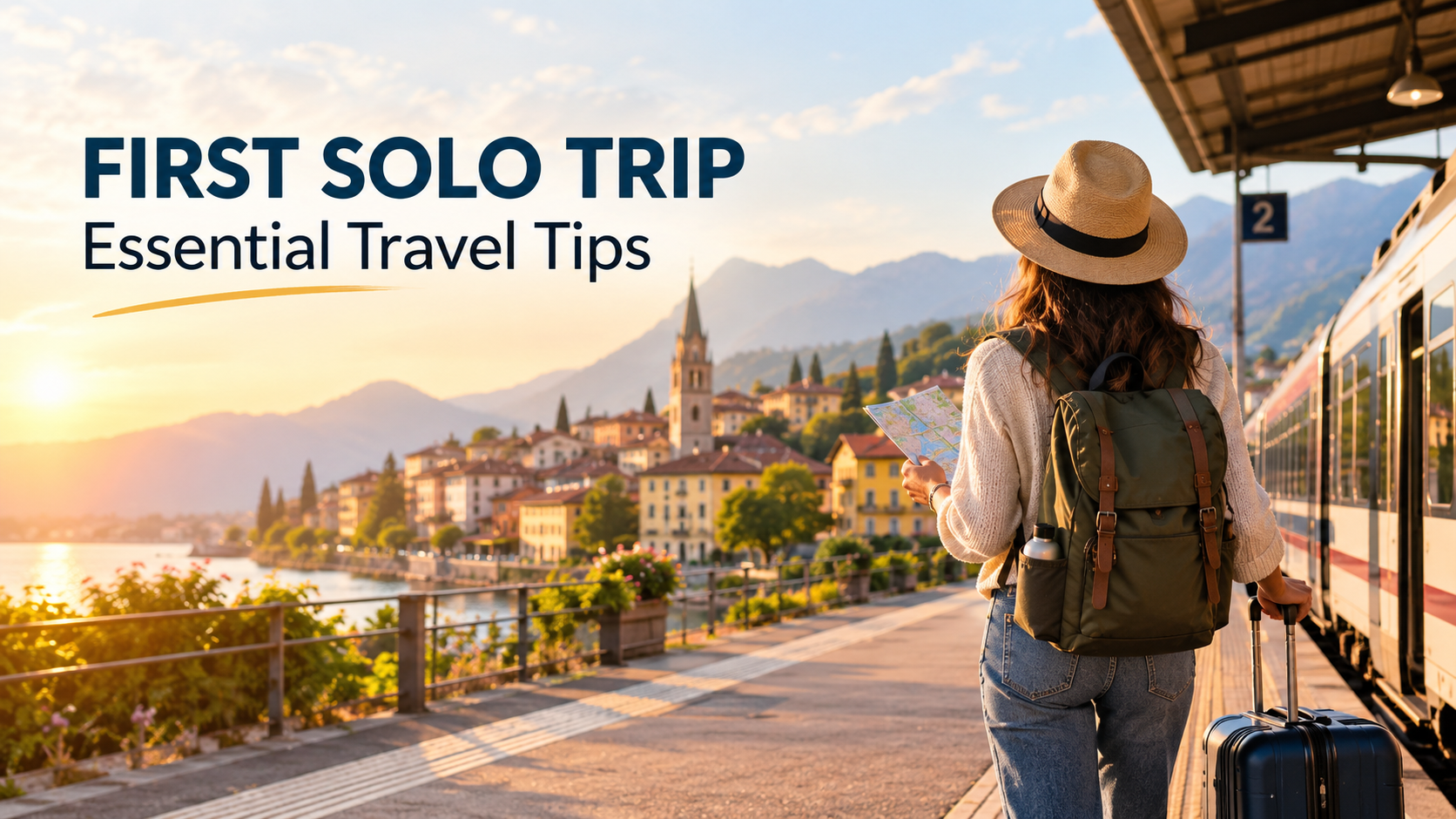
Deciding to take your very first solo trip is often the most challenging part of the entire adventure. Booking that initial flight and packing your bags without a companion can feel intimidating, bringing forward questions about safety, loneliness, and logistics. Yet, the reality of traveling alone is frequently far more rewarding and manageable than most first-timers imagine. Solo travel provides an unmatched sense of personal freedom, deep empowerment, and self-discovery. Managing decisions independently reveals your adaptability and resilience.
Whether you are planning a weekend city break or a multi-week international journey across foreign lands, practical preparation transforms uncertainty into genuine excitement. With thoughtful planning, sensible safety habits, and an open mindset, your first solo adventure can become one of the most transformative milestones of your life. Here are ten essential tips to help you navigate, enjoy, and master your first solo journey with complete confidence.
1. Have Confidence
Stepping alone into an unfamiliar city is naturally daunting, but carrying yourself with poise is your greatest personal asset. Adopting an upright, purposeful posture and walking with clear intention communicates that you belong in your surroundings. Projecting confidence communicates situational awareness.
If you feel nervous upon arrival, remember to project composure until genuine comfort takes over. Stand tall, keep your head up, and avoid staring constantly at your smartphone while walking through busy transit hubs.
2. Blend In
Drawing unnecessary attention to yourself as an obvious tourist can attract unwanted street solicitations and petty scams. Take note of how residents dress in public spaces, particularly in conservative regions or sacred historical sites, and adjust your wardrobe accordingly.
Blending in also extends to your demeanor. Speak at a moderate volume, avoid displaying expensive jewelry openly on public transit, and step inside a quiet cafe to examine maps rather than unfolding them on busy street corners.
3. Smile
A warm, genuine smile is a universal language, transcending linguistic barriers and cultural divides. When you arrive in a destination where you do not speak the local dialect, a friendly expression immediately signals goodwill, humility, and openness.
Smiling can de-escalate awkward moments, break the ice with market vendors, and turn a routine transaction into a delightful interaction. While you should always maintain sensible boundaries with strangers, meeting the world with warmth invites positive encounters and memorable human connections.
4. Have a Backup Plan
Resourceful travelers always build contingency measures into their journeys. Always keep a business card or written note containing your hotel address in your pocket to easily show taxi drivers.
Carry a concealed emergency reserve of local currency or fifty to one hundred dollars hidden separately from your primary wallet, such as inside your shoe or luggage lining. Furthermore, keep digital backups of your passport and insurance documents securely stored in cloud storage.
5. Check Before You Go
Before stepping out of your lodging each morning, spend a few minutes reviewing local maps, transit schedules, and neighborhood routes. Understanding your route in advance keeps you moving smoothly.
Downloading offline navigation maps on apps like Google Maps ensures you always have GPS guidance even when cellular service drops. Knowing which subway lines to catch and which areas to avoid after dark allows you to focus on absorbing the beauty of your surroundings.

6. Let Someone Know
Keeping trusted contacts informed of your whereabouts provides invaluable peace of mind for both you and your loved ones back home. Before departure, share a comprehensive copy of your travel itinerary, including flight numbers, lodging addresses, and major tour bookings, with a close family member or friend.
Establish a casual check-in routine via messaging apps every day or two. When venturing out on day hikes or remote excursions, inform your accommodation front desk where you are heading and when you expect to return.
7. Reserve in Advance
For your initial solo trip, eliminate unnecessary arrival friction by booking your accommodation and airport transfers well before departure. Arranging arrivals in advance prevents late-night transit stress in unfamiliar airports.
Arrange an official airport shuttle or confirm that your hotel offers a trusted transfer service. Having your first few nights booked at a centrally located property with 24-hour reception allows you to settle in, adjust to the time zone, and gain local bearings smoothly.
8. Take Only What You Need
Overpacking is the single most common mistake made by first-time solo travelers. Strive to pack light, prioritizing versatile, quick-drying clothing that can be mixed, matched, and easily washed.
Leave non-essential valuables and excess credit cards at home. Keep your primary electronics, prescription medications, and essential travel documents in your carry-on daypack, keeping them within sight during long train rides or bus journeys.
9. Explore
Solo travel is your opportunity to immerse yourself fully in the world, so resist the temptation to spend downtime isolated in your hotel room. Step outside, wander through local neighborhoods, browse community markets, and allow yourself to explore vibrant side streets.
If you experience temporary waves of loneliness, remember that being alone does not mean being lonely. Group walking tours and local cooking classes are easy ways to meet fellow travelers.
10. Relax
Finally, give yourself permission to relax and take each day as it comes. Not every minute of your trip needs to be packed with sightseeing, and it is entirely normal to feel tired, anxious, or overwhelmed at times. Listen to your body and take restful breaks whenever necessary.
Embrace minor detours as part of the adventure, celebrate your small daily victories, and savor the profound freedom that comes with exploring the world on your own terms.
Conclusion
Taking your first solo trip is an extraordinary act of courage that pays lifelong dividends in self-reliance, adaptability, and global perspective. By preparing thoughtfully, safeguarding your essentials, and stepping forward with an open heart, you unlock a realm of travel where you dictate the pace and write your own story. Pack your bags, trust your capabilities, and embrace the remarkable journey that awaits you.
Frequently Asked Questions
Is it normal to feel scared before taking your first solo trip?
Yes, pre-trip anxiety is completely normal and experienced by even the most seasoned solo travelers. Fear of the unknown usually dissipates rapidly within the first 24 to 48 hours once you arrive, settle into your accommodation, and begin exploring.
How can I meet people when traveling completely alone?
Meeting people is surprisingly easy when traveling solo. Booking social accommodations like boutique hostels, joining free city walking tours, enrolling in cooking classes, and participating in small-group day excursions naturally connect you with travelers and friendly locals.
What is the safest way to manage money while on a solo trip?
Never keep all your financial resources in one place. Carry a primary credit card with no foreign transaction fees, leave a backup debit card locked in your hotel room, and store a small emergency reserve of cash hidden separately in your luggage.
How should solo travelers handle eating alone at restaurants?
Dining alone can be deeply liberating. Choose casual bistros, outdoor patio tables, or counter seating where solo diners are common. Bringing a book or journal, or simply people-watching, makes dining alone an enjoyable and relaxing experience.
What should I do if I get lost or feel unsafe in a new city?
If you lose your bearings or feel uncomfortable, step immediately into a reputable hotel lobby, restaurant, or cafe. Take a seat, consult your offline map, or ask staff to call a licensed taxi to take you back to your lodging.