
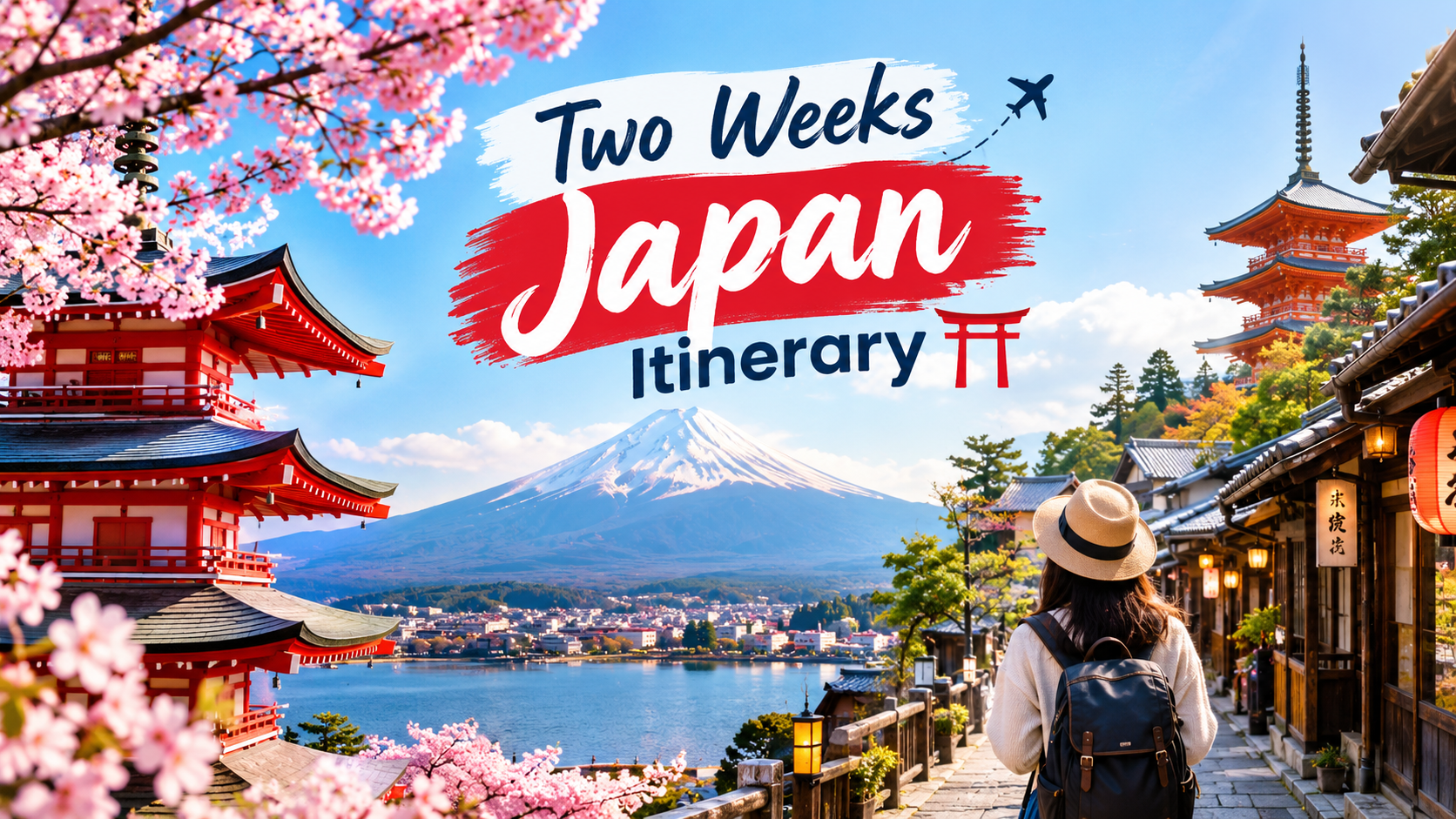
Planning a trip to Japan for the very first time is an exhilarating adventure, but balancing the country’s ancient heritage with its futuristic urban energy can feel daunting. Two weeks provides the perfect timeframe for first-time visitors, offering ample time to experience Japan’s iconic golden route without feeling rushed.
This comprehensive 14-day itinerary connects the vibrant districts of Tokyo, the historic alpine towns of Kanazawa and Takayama, the cultural landmarks of Kyoto and Nara, the history of Hiroshima, and the food culture of Osaka. Here is how to make the most of two unforgettable weeks in Japan.
Day 1: Get Your Bearings in Shibuya
Start your trip in Shibuya after arriving in Tokyo. Visit the bronze Hachiko Memorial Statue before stepping into the world-famous Shibuya Crossing, where thousands of pedestrians cross with every green light. Take the elevator to the Shibuya Sky observation deck for sweeping city views, then spend your evening exploring the lively streets of Center-Gai and enjoying a hot bowl of authentic tonkotsu ramen.
Day 2: Explore Harajuku and Shinjuku on Foot
Begin your morning walking through the forested grounds of Yoyogi Park to Meiji Jingu, Tokyo’s premier Shinto shrine. Directly adjacent lies Takeshita Street in Harajuku, the center of quirky fashion and sweet crepes. Continue north to Shinjuku to stroll the manicured grounds of Shinjuku Gyoen National Garden. In the evening, explore the lantern-lit alleys of Omoide Yokocho for grilled yakitori, finishing with drinks in the historic Golden Gai district.
Day 3: Head Over to Central Tokyo
Visit historic Asakusa to see Senso-ji, Tokyo’s oldest Buddhist temple. Stroll through the Kaminarimon gate and browse traditional crafts along Nakamise-dori shopping street. Afterward, board a scenic river bus down the Sumida River to Hamarikyu Gardens, an Edo-period landscape garden featuring a traditional teahouse. In the afternoon, explore the upscale shopping avenue of Ginza, famous for luxury boutiques and multi-story stationery shops.
Day 4: Get Your Geek On in Akihabara
Spend your fourth morning in Akihabara, Tokyo’s famed Electric Town. Explore multi-story retro video game arcades, manga shops, and gadget centers like Radio Kaikan. In the afternoon, take a short walk to Ueno Park to visit the Tokyo National Museum, stroll around Shinobazu Pond, or browse the bustling open-air street stalls of Ameyoko Market.
Day 5: Mount Fuji or Historic Nikko
Take a day trip outside Tokyo to experience regional Japan:
- Mount Fuji (Hakone or Kawaguchiko): Visit Hakone to ride the scenic mountain railway, cruise Lake Ashi on a pirate ship, and view Mount Fuji from the Owakudani volcanic ropeway. Alternatively, explore Lake Kawaguchiko for picturesque lakeside Fuji vistas.
- Nikko: Travel north into Tochigi’s forested mountains to tour the UNESCO-listed Toshogu Shrine, renowned for its ornate gold-leaf carvings set beneath towering cedar trees.
Day 6: Welcome to Traditional Kanazawa!
Board the Hokuriku Shinkansen for a two-and-a-half-hour ride to Kanazawa on the Sea of Japan coast. Spared wartime bombing, Kanazawa preserves historic samurai and geisha districts. Spend the afternoon strolling the stone-paved lanes of Higashi Chaya, touring preserved wooden teahouses and sampling local gold-leaf ice cream.
Day 7: The Kanazawa Main Attractions
Explore Kenroku-en, celebrated as one of Japan’s three most beautiful landscape gardens, featuring scenic ponds, bridges, and seasonal flora. Cross the footbridge to view the restored walls of Kanazawa Castle. For lunch, head to Omicho Market to feast on fresh seafood rice bowls (kaisen-don) before visiting the contemporary 21st Century Museum of Contemporary Art.
Day 8: Step Back in Time in Takayama
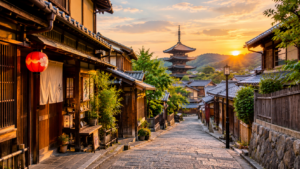
Take the scenic Limited Express Hida train into the mountain valley of Takayama in Gifu Prefecture. Check into a traditional ryokan inn featuring hot onsen mineral baths and tatami rooms. Wander the preserved Edo-period merchant streets of Sanmachi Suji, explore historic sake breweries, and sample tender Hida beef sushi from local street stalls.
Day 9: Check Out the Highlights of Northern Kyoto
Travel by train to Kyoto, Japan’s ancient imperial capital. Start in northern Kyoto at Kinkaku-ji (the Golden Pavilion), an exquisite Zen temple covered in gold leaf reflecting over a tranquil pond. Visit the peaceful rock garden at Ryoan-ji, then continue west to Arashiyama to walk through the iconic Bamboo Grove and cross the historic Togetsukyo Bridge.
Day 10: A Day Trip to Deer-Filled Nara
Take a 45-minute train south to Nara, Japan’s eighth-century capital. Wander through Nara Park, where over one thousand friendly, free-roaming sika deer bow for rice crackers. Visit Todai-ji to see the Daibutsu (Great Bronze Buddha) housed in one of the world’s largest wooden buildings, followed by a walk through the lantern-lined trails of Kasuga Taisha.
Day 11: The Big Sights in Kyoto
Rise early to visit Fushimi Inari-Taisha at sunrise, hiking beneath thousands of vibrant vermilion torii gates winding up sacred Mount Inari. Next, visit Kiyomizu-dera to admire its massive wooden veranda overlooking maple valleys. Walk down the preserved historic lanes of Ninenzaka and Sannenzaka, ending your evening spotting geiko in Gion’s lantern-lit streets.
Day 12: Hiroshima and Miyajima Island
Take the bullet train west to Hiroshima to visit the Peace Memorial Park, the Genbaku A-Bomb Dome, and the Peace Memorial Museum. Afterward, board a short ferry to Miyajima Island to view the famous floating vermilion torii gate of Itsukushima Shrine, enjoying fresh grilled oysters and momiji manju cakes along the waterfront.
Day 13: Start Eating Everything in Osaka
Travel to lively Osaka, Japan’s culinary capital. Tour the historic ramparts of Osaka Castle before heading to the neon-lit canal district of Dotonbori in the evening. Marvel at the Glico Running Man sign and enjoy Osaka’s famous street food, including piping-hot takoyaki (octopus batter balls) and savory okonomiyaki pancakes.
Day 14: The South of Osaka and Departure
Spend your final morning exploring the nostalgic retro district of Shinsekai beneath Tsutenkaku Tower. Savor a lunch of crispy skewered kushikatsu before picking up last-minute souvenirs at Kuromon Ichiba Market. Catch the express Haruka train to Kansai International Airport or a bullet train back to Tokyo for your flight home.
Conclusion
Two weeks in Japan offers an unforgettable journey through ultra-modern cities, quiet mountain temples, and rich culinary traditions. By following this route through Tokyo, Kanazawa, Takayama, Kyoto, Hiroshima, and Osaka, you experience the absolute best of Japan’s culture, efficiency, and hospitality. Plan ahead, travel with curiosity, and prepare for a trip of a lifetime.
Frequently Asked Questions
Is the Japan Rail (JR) Pass worth buying?
Following substantial price increases, a nationwide JR Pass is rarely cost-effective for a standard two-week itinerary. Purchasing individual Shinkansen point-to-point tickets or regional rail passes is generally much cheaper.
How should I pay for purchases in Japan?
Get a digital IC card (Suica or Pasmo) on your phone for seamless taps on subways, buses, and convenience stores. Carry some cash for smaller eateries and temple admission fees.
Should I rent pocket Wi-Fi or use an eSIM?
An eSIM is the most convenient option for unlocked modern smartphones, offering instant mobile data without carrying extra hardware. Pocket Wi-Fi devices remain useful for groups sharing a single connection across multiple devices.
What is the best time of year to visit Japan?
Spring (late March to mid-April) and Autumn (mid-October to late November) provide the best weather, cherry blossoms, and colorful autumn leaves. Winter offers clear mountain views and fewer crowds, while summer features lively festivals.
How does luggage delivery work in Japan?
Luggage forwarding services (takkyubin) are highly dependable and affordable. You can ship large suitcases between hotels from front desks or convenience stores, allowing you to travel hands-free on bullet trains and mountain day trips.