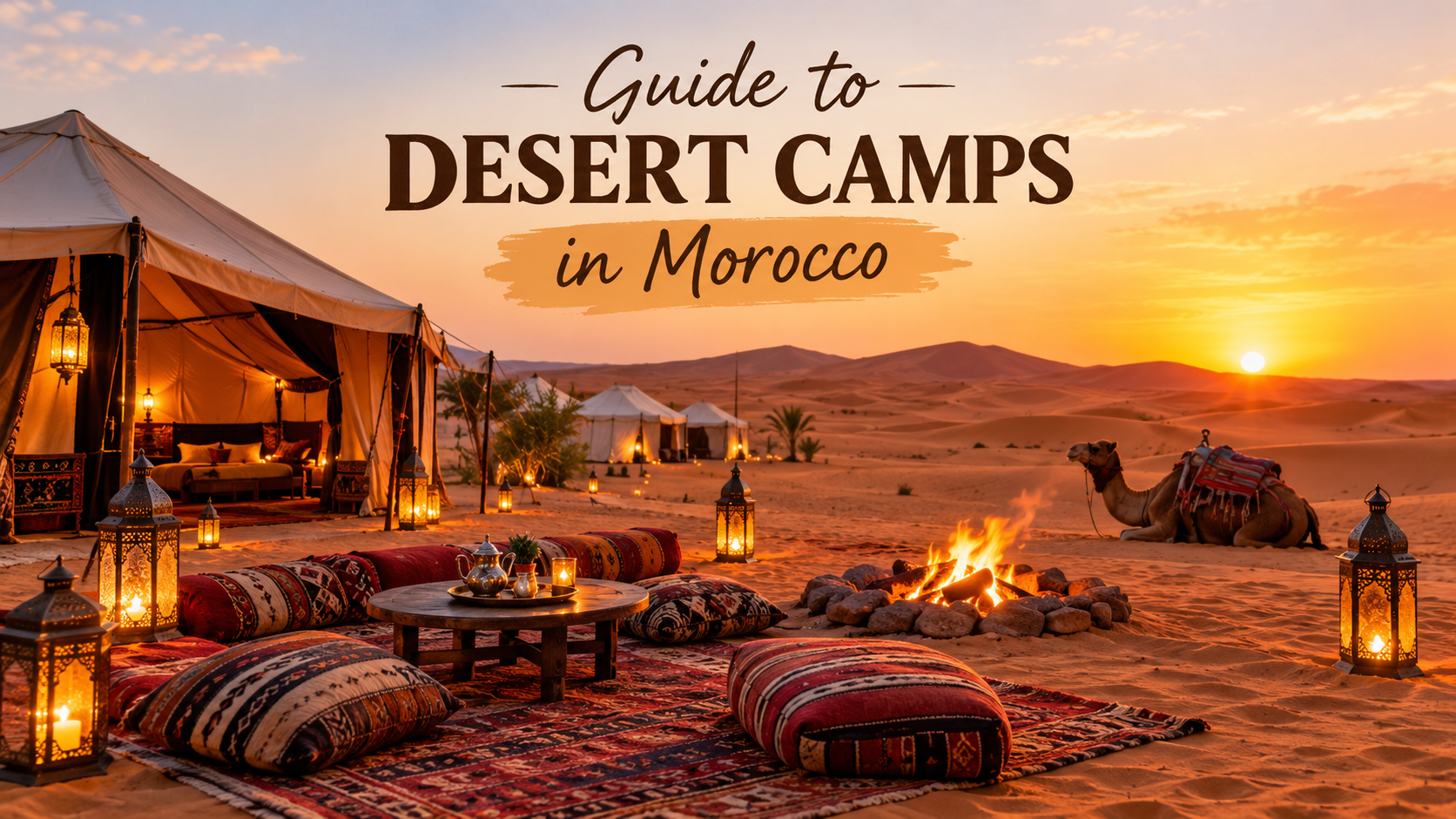
Morocco is widely celebrated as one of the most vibrant, visually captivating, and culturally rich travel destinations on earth. For countless international visitors, the ultimate dream is journeying into the legendary Sahara Desert to sleep beneath a canopy of stars in a traditional desert camp nestled among rolling golden dunes.
However, the romantic imagery portrayed on social media often conceals a far more complicated reality. The Sahara excursion industry is crowded with mass-market tour operators, misleading marketing campaigns, and aggressive sales tactics. Without careful research, what should be a once-in-a-lifetime adventure can quickly turn into an exhausting, high-stress ordeal. If you want to experience the true magic of the Sahara while avoiding common tourist pitfalls, here is everything you need to know about navigating desert camps in Morocco the right way.
Understanding the Reality of Mass-Market Desert Tours
Reaching the dramatic sand dunes of Erg Chebbi near Merzouga requires an immense overland journey spanning roughly nine to ten hours of driving each way from Marrakech or Fes. To capitalize on high tourist demand, numerous third-party booking aggregators and street agencies sell cheap, three-day shared group excursions. While low prices make these tours tempting for budget-conscious travelers, they frequently deliver a deeply frustrating experience.
Shared budget tours typically pack twelve to sixteen passengers into tight minivans, subjecting travelers to nearly twenty hours of transit over three days. Rigid schedules often result in arriving at camp after dark, missing the sunset entirely. The promised desert activities—such as sandboarding or camel rides—are often rushed into a chaotic ten-minute window before nightfall, while optional quad bike excursions are overpriced and conducted in the dark before dawn.
The Problem With Inflated Online Reviews and Forced Commission Stops
Many travelers wonder how substandard desert tours maintain high ratings on major booking platforms. In practice, operators place immense emotional pressure on young, overworked local guides to secure top ratings before the tour concludes. Guides frequently hover over passengers during the return drive, actively monitoring smartphones to ensure five-star reviews are submitted before letting guests off the bus.
Furthermore, itineraries that advertise “no commission stops” rarely honor that promise. Drivers frequently make mandatory stops every ninety minutes at partner souvenir shops, carpet cooperatives, and roadside cafes where visitors face aggressive buying pressure. The camps themselves can be poorly maintained, lacking clean bedding, basic plumbing, or authentic Berber hospitality.
How to Do Desert Camps in Morocco the Right Way
Despite these common pitfalls, experiencing the silence, majesty, and warmth of a Saharan desert camp remains an extraordinary travel milestone when approached correctly. There are two primary strategies to ensure an authentic and unforgettable desert expedition.
1. Book a Private or Small-Group Tour
The single best decision you can make for your Sahara journey is booking a private tour with a licensed local driver. A private expedition provides a dedicated, comfortable four-wheel-drive vehicle, complete control over your daily schedule, and the flexibility to stop at genuine scenic viewpoints rather than tourist traps.
While solo travelers or couples might assume a private tour is prohibitively expensive, small groups make it remarkably affordable. Standard private tours cost around $300 to $400 per person for two travelers. However, if you recruit three or four companion travelers from your hostel, hotel, or social circles, the per-person cost drops to roughly $150 to $200. This matches the price of a crowded shared minibus while delivering superior comfort, personalized guiding, and reputable boutique lodging.
2. Reserve Your Desert Camp Directly
Another excellent approach is researching and booking an independent luxury or boutique desert camp directly through their own website or established booking channels. Independent camps take tremendous pride in guest satisfaction, offering spacious Berber-style canvas tents equipped with plush mattresses, private en-suite hot showers, solar power, and freshly prepared traditional Moroccan tagines.
Once your stay is confirmed, the camp management will gladly coordinate private round-trip transportation from Marrakech, Fes, or the desert gateway town of Merzouga. This ensures you know precisely which camp you are sleeping in, eliminates intermediaries, and guarantees that your driver adheres to a relaxed travel pace.
Essential Dos and Don’ts for Moroccan Desert Camps
Follow these practical guidelines to maximize your comfort and peace of mind during your desert trip:
- DO Choose Erg Chebbi Over Zagora: If your schedule permits, always visit the towering, reddish-orange dunes of Erg Chebbi near Merzouga. The closer desert at Zagora features rocky, flat scrubland with small sand mounds rather than the towering ocean of sand travelers envision.
- DON’T Rely Solely on Aggregated Star Ratings: Read detailed recent traveler reviews across multiple independent travel blogs and forums rather than trusting aggregate scores on high-volume tour platforms.
- DO Consider Spending Two Nights in the Desert: A two-night stay allows a full, unhurried day in the Sahara to relax in camp, meet local Berber musicians, explore desert oases, and witness sunrise and sunset without driving fatigue.
- DON’T Feel Rushed to Book Months in Advance: Reputable private drivers and licensed Moroccan agencies can often customize and book private excursions within forty-eight to seventy-two hours of your arrival in Marrakech or Fes.
- DO Pack Appropriate Layers for Freezing Desert Nights: Despite scorching daytime sun, desert temperatures plunge dramatically after dark. Pack thermal base layers, a warm fleece or down jacket, and a wool beanie for nighttime comfort.
Practical Desert Travel and Cultural Tips
Always carry sufficient Moroccan Dirhams in cash, as remote desert camps and roadside stops do not accept credit cards. Keep plenty of bottled drinking water in your daypack, protect yourself with high-SPF sunscreen, and remember to tip your camel handlers, camp staff, and private driver generously for their hospitality and hard work.
Conclusion
A journey into the Sahara Desert has the power to be the undisputed highlight of your Moroccan adventure. When you bypass deceptive budget tour packages and instead choose a private driver or hand-selected boutique camp, the desert reveals its timeless peace, awe-inspiring silence, and warm Berber traditions. Plan with care, travel at an unhurried pace, and prepare to be captivated by the golden sea of the Sahara.
Frequently Asked Questions
What is the difference between Merzouga and Zagora desert tours?
Merzouga features the massive, towering orange sand dunes of Erg Chebbi, reaching up to five hundred feet tall, requiring a minimum three-day round trip. Zagora is closer to Marrakech, suitable for two-day trips, but features flatter, rocky desert plains with small sand dunes.
How cold does the Sahara Desert get at night?
During winter and spring months from November through March, nighttime desert temperatures frequently drop near freezing (32°F to 40°F / 0°C to 5°C). Quality luxury camps provide heavy wool blankets, but packing warm thermal clothing is essential.
Are luxury desert camps in Morocco worth the extra cost?
Yes. Mid-range and luxury desert camps provide private en-suite flush toilets, hot running water, comfortable beds, authentic home-cooked meals, and evening music around the campfire, ensuring a restful and hygienic experience far superior to basic shared camps.
Can you visit Morocco’s desert camps as a solo traveler?
Yes. Solo travelers can easily book private transfers, join small reputable group departures, or connect with fellow travelers at riads in Marrakech to share private vehicle costs safely.
What should you pack for a Sahara desert excursion?
Pack a wind-resistant jacket, warm fleece layers, a traditional sand scarf, sunglasses, high-SPF sunscreen, wet wipes, a portable power bank, cash in Moroccan Dirhams, and comfortable walking shoes or closed sandals.