
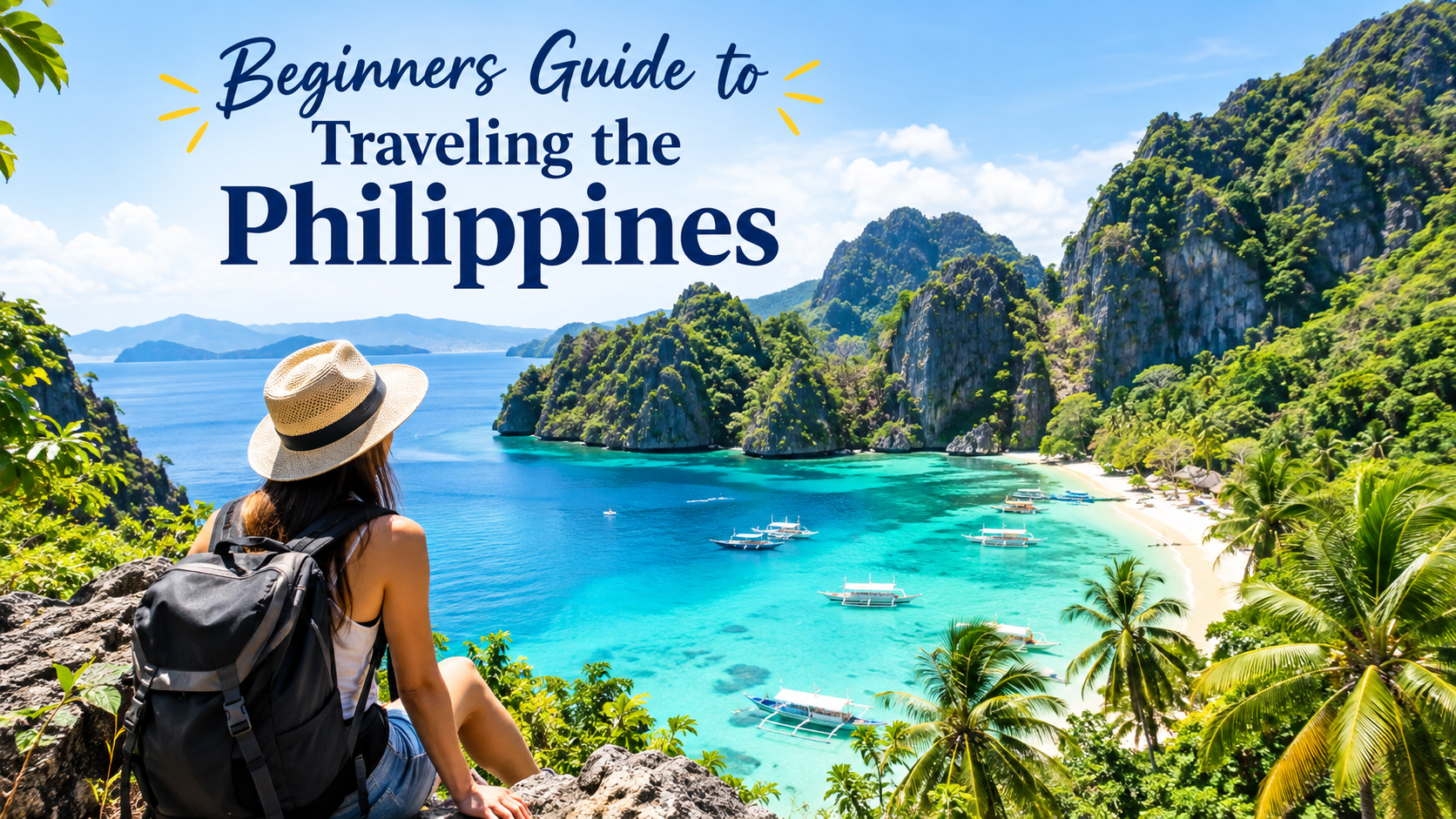
The Philippines, a spectacularly massive, sprawling archipelago composed of precisely 7,641 highly diverse, tropical islands, is proudly home to a deeply warm, incredibly welcoming population of well over 100 million people, uniquely representing more than 100 distinct, ancient cultural minority groups. With its incredibly picturesque, world-famous white-sand beaches, deeply rich, complex Spanish-influenced culture, and absolutely mouth-watering, highly unique traditional cuisine, this incredible nation truly, effortlessly lives up to its famous, long-standing tourism motto: “It’s more fun in the Philippines.” The legendary, unmatched warmth and genuine, smiling hospitality of the local Filipino people significantly add to the countless, compelling reasons why you should actively choose to travel to this specific Southeast Asian paradise. With so much to physically see and deeply experience across thousands of islands, this comprehensive, highly detailed beginner’s guide to traveling in the Philippines will specifically help you effectively maximize your precious vacation time in this vibrant, highly diverse, and stunningly beautiful country.
Apart from the globally recognized, pristine, powdery white-sand beaches and incredibly warm, crystal-clear turquoise waters, the tropical islands of the Philippines also proudly offer an absolute wealth of breathtaking inland natural beauty, ranging heavily from the ancient, incredibly steep, UNESCO-listed green rice terraces of the northern mountains to extensive, highly rugged, jungle-covered mountain ranges perfect for adventurous hiking. The heavily populated major cities, too, offer a highly unique, often chaotic but fascinating blend of modern, towering commercial amenities and deep, historical cultural heritage, strongly shaped by centuries of heavy historical influences from Spanish colonizers, American military presence, and ancient Chinese trading routes. Whether you are actively seeking adrenaline-pumping outdoor adventure, deep cultural immersion, or simply absolute, total relaxation on a deserted beach, the Philippines has something perfect for every type of traveler.
Best Beaches for Beauty and Serenity
Hidden Beach, El Nido, Palawan
The stunningly beautiful, highly remote island province of Palawan regularly and rightfully tops prestigious international travel lists for boasting the absolute best, most pristine islands and beautiful beaches in the entire world, so it comes as absolutely no surprise whatsoever that one of its many spectacular beaches proudly makes this list. The spectacular, aptly named Hidden Beach, which is strictly accessible only via a licensed, guided island-hopping boat tour from the main town, is magically found completely concealed directly behind massive, towering, razor-sharp limestone karst rock formations, successfully earning it its highly accurate name. Eager visitors can jump from their outrigger boats and take a refreshing dip in the shallow, incredibly clear, warm waters, or actively ride a small, rented yellow kayak through the narrow, rocky opening to finally reach the secluded, powdery white beach. The incredible, unmatched seclusion and profoundly peaceful, quiet atmosphere make it entirely, absolutely well worth the physical effort to visit.
Dahican Beach, Mati, Davao Oriental
Conveniently located just a scenic, highly enjoyable four-hour coastal drive away from the bustling, massive southern hub of Davao City, the incredibly beautiful Dahican Beach is an absolute, non-negotiable must-see destination for serious, adrenaline-seeking adventure travelers and dedicated, relaxed beach enthusiasts alike. Highly skilled skimboarders and passionate, experienced surfers will deeply enjoy riding the incredibly strong, consistent Pacific Ocean waves that crash onto the shore, while those simply looking for a much more laid-back, deeply relaxing vacation experience can happily spend their days lounging under the palm trees on the massive, sweeping 7-kilometer stretch of pristine, blindingly white sandy beach. Always keep a very keen eye out toward the crashing waves, as majestic, highly endangered sea turtles are widely known to frequently visit and actively nest in this highly protected, pristine coastal area.
Bon Bon Beach, Romblon
For a truly remote, incredibly secluded, and highly romantic beach vacation experience, the spectacular Bon Bon Beach in the heavily underrated, quiet province of Romblon is an absolute, undeniable tropical paradise. This incredibly stunning, narrow 2-kilometer stretch of shifting, powdery white sandbar is magically only fully visible and entirely accessible during the lowest ocean tide, explicitly offering a deeply serene, completely uninterrupted, and highly picturesque natural setting that feels entirely separated from the rest of the busy world. Fortunately, it is also highly conveniently located very near the main, bustling town of Poblacion, meaning you absolutely will not have to travel very far or hire expensive private transportation to quickly reach it for a magical sunset stroll.
Best Destinations to Practise Responsible Tourism
Apo Island
For a truly spectacular, incredibly off-the-beaten-path travel destination, the tiny Apo Island is an absolute, undeniable gem that will permanently leave your mind completely blown in many vastly different ways. This incredibly small, rugged volcanic island, located just a short, choppy boat ride off the southern coast of Dumaguete, Negros, is globally renowned and highly celebrated for its absolutely world-class, breathtaking scuba diving and shallow snorkeling opportunities. This incredible reputation is directly thanks to its strictly enforced, highly successful marine protected status and its absolutely stunning, vibrantly healthy, highly diverse coral reefs teeming with massive sea turtles. Even if deep water activities aren’t exactly your specific thing, there are still plenty of highly engaging things to do, such as aggressively hiking the steep, jungle-covered volcanic trails that cross the island, or simply deeply relaxing on the quiet, rocky beach while enjoying fresh local seafood.
Batanes Island
Batanes, proudly holding the title of the absolute smallest and extreme northernmost, isolated province in the entire Philippines, is a profoundly beautiful, deeply peaceful sanctuary for weary travelers desperately looking to completely escape the relentless hustle, massive crowds, and aggressive noise of modern city life. The tiny province’s highly remote, storm-swept location and heavily limited, often weather-dependent access via small, expensive domestic flights actively and successfully helps to fiercely preserve its completely unspoiled, dramatic, rolling green natural landscape and the profoundly peaceful, highly traditional way of daily life. From the highly charming, heavily built traditional stone houses designed to withstand massive typhoons to the highly sustainable, eco-friendly farming practices well-established among the deeply welcoming, native Ivatan locals, Batanes is a true step back in time.
Palaui Island
Palaui Island, a strictly protected, highly regulated natural marine area and massive national park perfectly located in the remote Cagayan province at the extreme northeastern tip of the massive Luzon island, is an absolute, unquestionable must-see destination for dedicated advocates of highly sustainable, ethical eco-tourism. The island’s deeply passionate, highly organized local environmental protection group has been proudly and internationally recognized with a prestigious Southeast Asian award for their massive, tireless local efforts to aggressively promote deeply sustainable, low-impact local tourism. Additionally, Palaui Island’s incredibly raw, rugged, and completely undeveloped main beach has been proudly listed as one of the absolute 100 best, most beautiful beaches in the entire world by CNN, heavily making a physical visit to this highly remote, heavily protected island even more profoundly worthwhile for adventurous travelers.
Best Foods to Experience Philippines’ Culture
Halo halo
Halo-halo (which literally translates directly to “mix-mix”) is a deeply beloved, highly iconic, and visually spectacular Filipino dessert that is an absolute, non-negotiable must-try for any visiting traveler with a serious sweet tooth. It is masterfully made up of a massive, highly varied combination of bright, colorful local ingredients, heavily including sweetened jackfruit, chewy tapioca pearls, sweet red beans, and vibrant coconut jellies, all proudly served directly over a massive mountain of finely shaved ice, heavily drenched in rich evaporated milk, and crowned with a massive scoop of ice cream. For an extra special, highly traditional, and deeply authentic treat, aggressively try incorporating a massive dollop of sticky halaya ube, or heavily sweetened, vibrant purple mashed yam, directly into your tall halo-halo glass to truly and perfectly complete your ultimate Filipino culinary experience.
Adobo
Adobo, very often proudly and accurately referred to locally as the unofficial national dish of the entire Philippines, is an incredibly deeply flavorful, highly savory, and slightly tangy meat dish slowly, carefully made with a highly specific, complex combination of sharp cane vinegar, salty dark soy sauce, crushed raw garlic, fragrant dried bay leaves, and cracked black pepper. It is most typically and heavily cooked with bone-in chicken cuts or fatty pork belly, and you can reliably and easily find it proudly served in nearly every single local restaurant, busy roadside eatery, and private family home across the entire country, with each specific cook proudly boasting their own completely unique, highly guarded family take on the ancient recipe.
Sinigang
Sinigang is an incredibly deeply comforting, highly sour, and deeply savory traditional hot soup that is absolutely guaranteed to aggressively whet your heavy appetite, especially on a rainy afternoon. Masterfully made with fresh, sour tamarind serving as the highly pungent, acidic base, it is a deeply comforting, thin sour soup that is typically, heavily filled with various fresh local vegetables like water spinach and okra, alongside a choice of fatty pork, tender beef, or fresh, whole local seafood like milkfish. It is an absolute staple, highly critical daily dish in traditional Philippine cuisine, deeply enjoyed by millions of eager locals and highly curious, hungry visitors alike.
Lechon
When you are physically visiting the bustling, historic central island of Cebu, eating fresh lechon is an absolute, undeniable must, as it is widely considered one of the absolute most famous, highly celebrated, and deeply decadent culinary dishes in the entire Philippines, standing proudly alongside savory adobo. The massive, highly celebrated dish consists of an entire, whole roasted suckling pig that is heavily stuffed with fresh lemongrass and star anise, heavily seasoned, and carefully skewered directly over a massive pit of blazing hot charcoal for several hours. This highly labor-intensive, slow-roasting process results in incredibly loud, crackling, perfectly crispy golden skin and deeply juicy, incredibly tender, highly flavorful meat. It can be joyously enjoyed in a massive variety of ways, such as greedily eating it straight off the freshly carved carcass or deeply dipping the fatty pork belly chunks directly into sweet, thick liver-based sauces.
Kare-kare
Kare-kare is a highly traditional, deeply complex, and incredibly rich meat stew heavily characterized by its distinctively thick, highly savory, and slightly sweet crushed peanut sauce base, colored bright yellow with annatto seeds. It is typically, traditionally made slowly with incredibly tender, slow-cooked beef oxtail, chewy beef tripe, and heavily mixed with fresh local vegetables like eggplant and long green beans. It closely resembles a deeply complex, highly flavorful thick peanut curry in terms of its overall, highly unique flavor profile and is almost always proudly served with a small, highly pungent side dollop of salty fermented shrimp paste (bagoong) to perfectly cut the richness.
Sisig
Pork sisig is a deeply classic, highly iconic, and incredibly flavorful Filipino bar food dish that is typically, traditionally made by finely chopping boiled, grilled pig ears, fatty pork belly, and rich cheek meat. It is always proudly served violently sizzling hot on a heavy, cast-iron stone plate, heavily topped with a cracked, raw egg that cooks directly in the intense heat, spicy chopped green chilies, and a generous, heavy squeeze of highly acidic, fresh local calamansi citrus juice. While various modern, highly creative versions feature vastly different, alternative meats like chicken or even tofu, the fatty, crispy pork sisig firmly remains the absolute most common, deeply beloved, and highly traditional, authentic iteration.
Practical Travel Tips for Beginners
Planning Your Itinerary and Choosing Destinations
Because the massive country consists of well over 7,000 highly diverse islands, attempting to see absolutely everything in a single, short two-week vacation is completely, physically impossible and highly stressful. First-time visitors should absolutely focus their heavily limited time on just two or three specific, highly accessible regions to avoid severe travel burnout. A highly classic, deeply popular beginner itinerary frequently starts in the bustling capital of Manila or Cebu City, aggressively flying directly to the stunning, limestone cliffs of Palawan (El Nido or Coron), and finally finishing with a deeply relaxing, beautiful few days on the world-famous white-sand beaches of Boracay or the highly adventurous, surfing island of Siargao.
Getting Around the Islands
Navigating the massive Philippine archipelago heavily requires a massive, healthy mix of highly domestic budget flights, slow overnight ferries, and incredibly chaotic local street transport. Domestic airlines like Cebu Pacific and AirAsia frequently offer incredibly cheap, highly affordable inter-island flights if you book well in advance. For shorter, regional island-hopping, you will heavily rely on massive, motorized outrigger boats called “bangkas.” On the main, larger islands, the highly iconic, brightly painted local “jeepneys” and small, motorized tricycles are the absolute cheapest, most authentic, and highly chaotic way to quickly get around the busy local towns.
Estimated Travel Costs and Budgeting
The Philippines is generally considered a highly affordable, deeply budget-friendly travel destination, especially when compared directly to the massive costs of North America or Western Europe. Highly frugal, careful backpackers can easily and comfortably survive on a strict budget of $30 to $40 USD per day by actively staying in cheap, basic hostels, exclusively eating heavily at local roadside eateries (carinderias), and exclusively utilizing cheap public transportation. Mid-range, comfortable travelers should actively budget roughly $70 to $100 USD per day for comfortable, air-conditioned private hotel rooms, eating at nice, sit-down tourist restaurants, and booking private, guided island-hopping tours.
Safety and Weather Considerations
While the Philippines is generally considered incredibly safe for highly cautious, smart tourists, you should always absolutely exercise standard, basic global travel precautions, particularly in massive, highly crowded urban cities like Manila, where petty street theft and quick pickpocketing can sometimes occur. Regarding the highly volatile, tropical weather, the absolute best, highly recommended time to actively visit is during the deeply dry season, which roughly runs from late November to early May. The massive, highly destructive wet typhoon season typically dominates from June to October, which can aggressively cause massive, unexpected flight cancellations and severe, widespread flooding.
What to Pack
Because of the highly intense, deeply humid, and incredibly hot tropical climate, actively pack heavily for absolute physical comfort. Bring plenty of highly breathable, lightweight cotton clothing, high-quality, reef-safe sunscreen, a highly reliable, sturdy waterproof dry bag to safely protect your expensive electronics during wet boat rides, and comfortable, highly durable water shoes for walking heavily on sharp coral reefs. A high-quality, deeply effective mosquito repellent is also absolutely essential, particularly if you heavily plan on hiking deep into the dense, rural jungle or aggressively visiting highly remote, undeveloped islands.
Conclusion
Ultimately, actively traveling through the massive, highly complex, and incredibly beautiful Philippine archipelago is an absolutely thrilling, deeply rewarding, and highly unforgettable adventure perfectly suited for absolutely any type of global traveler. From its spectacular, world-class powdery beaches and deeply rich, highly unique cultural heritage to its absolutely mouth-watering, savory local cuisine, the country continuously offers massive, incredible experiences that will permanently stay with you for a lifetime. By highly carefully planning your massive itinerary, fiercely embracing the highly laid-back, beautiful island lifestyle, and keeping these highly practical, essential beginner tips firmly in mind, you are absolutely guaranteed to have a truly spectacular, deeply safe, and incredibly memorable first-time journey in the beautiful Philippines.
FAQs
1. Do I need a visa to visit the Philippines?
Citizens of well over 150 vastly different global countries, heavily including the United States, Canada, the UK, and most of Europe, can typically and easily enter the Philippines completely visa-free for a strict maximum of 30 days, heavily provided they hold a highly valid, return onward ticket.
2. Is English widely spoken in the Philippines?
Yes, absolutely! English is proudly one of the two official, national languages of the entire country, and the vast, massive majority of the local Filipino population speaks it incredibly fluently, effectively making daily navigation, food ordering, and deep cultural interaction incredibly easy for visiting tourists.
3. What is the local currency, and are ATMs widely available?
The official, highly utilized local currency is the Philippine Peso (PHP). While modern, highly reliable ATMs are incredibly widely available in all major, bustling cities and popular, highly developed tourist hubs, you should absolutely always carry plenty of physical cash when aggressively visiting smaller, highly remote islands.
4. Is it safe to drink the tap water in the Philippines?
No, it is generally highly recommended that visiting tourists absolutely avoid aggressively drinking raw tap water anywhere in the entire country to actively prevent severe stomach issues. Always stick strictly to heavily sealed, purified bottled water or securely filtered water clearly provided by your hotel.
5. How many days should I plan for my first trip?
Because travel between the massive, highly spread-out islands can be incredibly slow and highly time-consuming, it is highly recommended to actively plan for an absolute strict minimum of 10 to 14 days for your very first trip, allowing you to comfortably, deeply explore two or three distinct, beautiful regions.